
22 July 2026 · Yogicescape Team
Faszien-Yoga: How Fascia Yoga Releases Tight Connective Tissue
Fascia yoga (Faszien-Yoga) is a slower, longer-hold style of yoga that targets your connective tissue, not just your muscles. By holding shapes for minutes instead of seconds, it helps release tightness woven through your whole body. In Berlin, you'll find this quality inside classes like Yin Yoga, where stillness gives the fascia time to actually change.
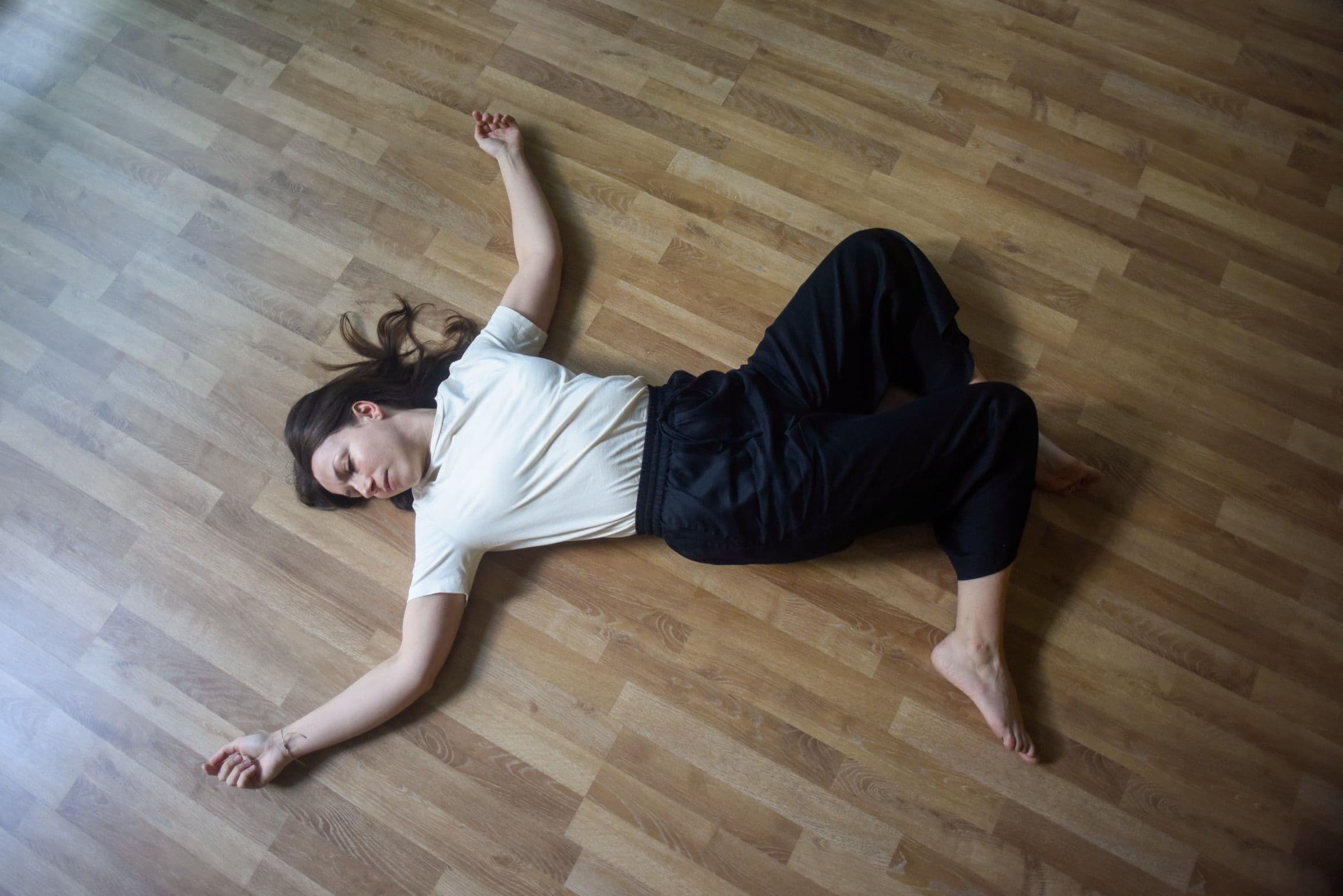
Picture this: you're lying on your mat in a folded-forward shape, doing basically nothing, for what feels like a very long five minutes. No flow, no sweat, no obvious "workout." And yet something is shifting — a slow, quiet release somewhere between your hips and your shoulder blades that you can't quite name.
That's fascia yoga at work. It's not about how far you can stretch a muscle. It's about giving the connective tissue wrapped around your whole body enough time and stillness to actually change. In Berlin, where life moves fast, this slower approach has become one of the more interesting reasons people step onto a mat in the first place.
Fascia yoga (Faszien-Yoga) is a slower, longer-hold style of yoga that targets your connective tissue, not just your muscles. By holding shapes for minutes instead of seconds, it helps release tightness woven through your whole body. In Berlin, you'll find this quality inside classes like Yin Yoga, where stillness gives the fascia time to actually change.
Key statistics
- Fascia is now understood as a continuous, body-wide network rather than isolated pockets of tissue around each muscle.
- Fascia contains sensory nerve endings, meaning it plays an active role in how the body senses movement and position.
- Long, passive holds — often three to five minutes — are commonly recommended for fascia-focused practices like Yin Yoga.
What actually is fascia, and why does yoga care about it?
Fascia is a web of connective tissue running through your entire body. It wraps around muscles, bones, and organs, connecting parts of you that don't seem related at first glance. Think of it less like separate wrapping paper around each muscle and more like one continuous, body-wide net.
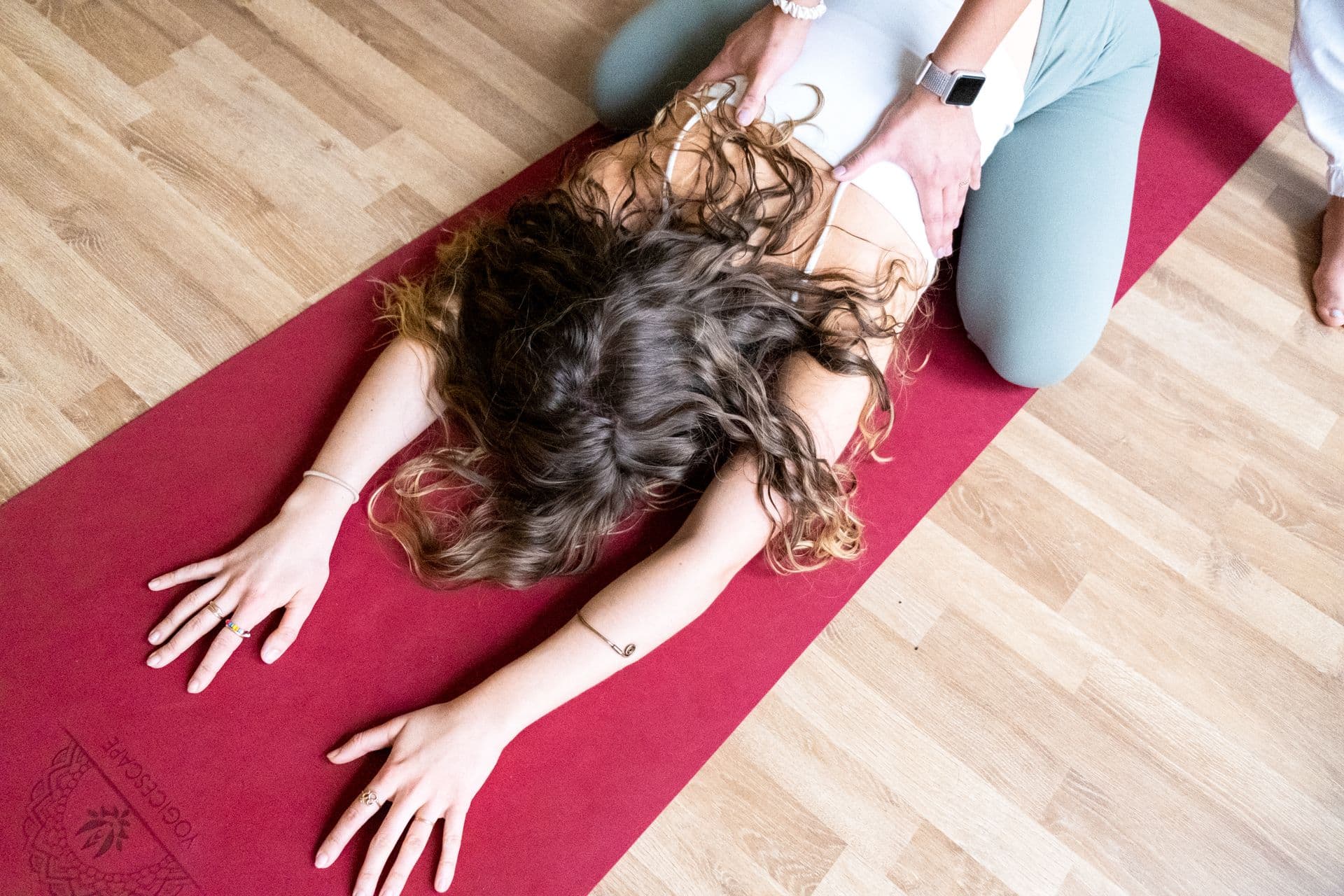
This matters for yoga because fascia isn't just passive packaging. It's packed with sensory nerve endings, which means it helps you sense where your body is in space. When fascia gets tight or stuck in one area, the effects can show up somewhere else entirely — a tight hip can echo all the way up into a stiff shoulder.
That interconnected quality is part of why some yoga teachers now think about sequencing differently, working through the fascia lines rather than muscle by muscle.
Fascia links your whole body together, so tightness in one spot can affect movement somewhere else entirely.
How is fascia yoga different from a regular flow class?
Most vinyasa-style classes move quickly, holding poses for a handful of breaths before transitioning. That pace is great for building heat and strength, but it mostly targets muscle. Fascia responds to a different kind of input — slow, sustained pressure held over minutes, not seconds.
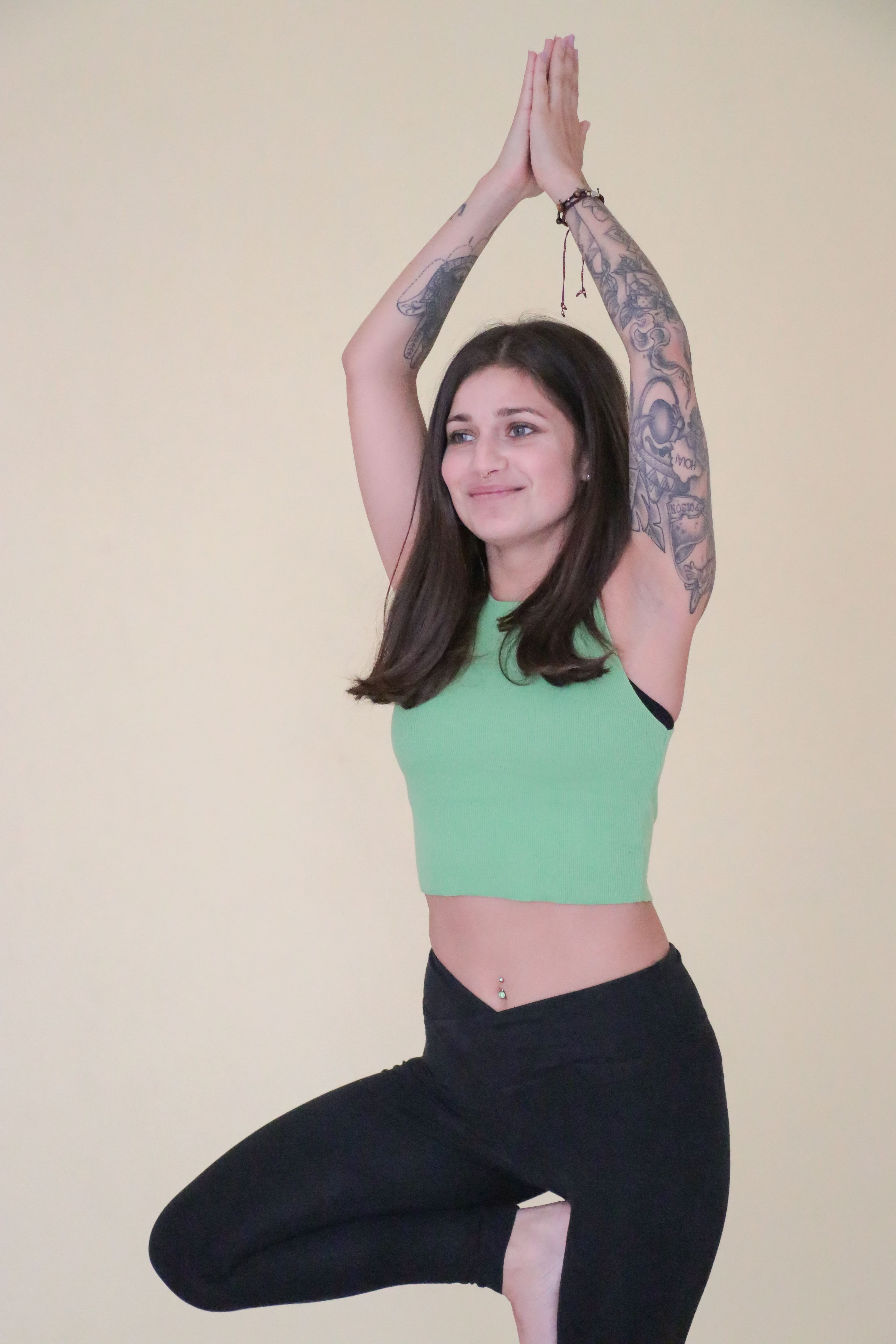
This is really the whole idea behind Yin Yoga: long, passive holds that let gravity and time do the work instead of muscular effort. You're not actively engaging in the pose; you're settling into it, letting the tissue slowly release.
If you've mostly practiced faster styles, this can feel strange at first. Five minutes in a passive forward fold is a very different experience than five breaths. But that stillness is exactly the point — it's giving your fascia the time it actually needs.
Fascia responds to slow, sustained holds, not fast repetitions — which is why long-hold styles feel so different.
Why does holding a pose longer make a difference?
Muscle tissue changes fairly quickly, but fascia is slower to respond. Research and teaching guidance around fascia-focused practice consistently point to holds of around three to five minutes as the sweet spot. Anything shorter and you're mostly working muscle, not the connective web around it.
This is one reason fascia yoga can feel almost too easy in the room, and then surprisingly effective afterward. There's no burn, no obvious effort — just time. Some practitioners describe it as a completely different kind of tired: not muscle fatigue, but a deep, settled quiet.
If you're new to this pacing, it pairs well with learning to sit with discomfort or boredom in a pose, something explored more in Embrace the Stillness: The Power of Pausing in Yoga.
Give a pose three to five minutes, and you're working with fascia, not just muscle.
Can fascia get stuck, and what does that feel like?
Yes — restricted fascia is often described as a general feeling of stiffness or reduced ease in movement, rather than pain in one specific spot. It's the kind of tightness that doesn't quite match up with any one muscle you can point to.
This is partly why fascia work can feel a bit different from stretching a single tight muscle. You might notice ease showing up in an unexpected place — your neck loosening after work on your hips, for example — because of how connected the fascial network really is.
If this pattern of full-body tension is familiar, it's worth reading Finding Calm in Chaos: A 5-Minute Yoga Practice for Overwhelm, which touches on how physical tightness and daily stress often show up together.
Fascia tightness often feels like general stiffness rather than one clear, localized problem.
Where does breath fit into a fascia-focused practice?
Breath isn't just background noise in a long hold — it's often what actually helps you settle into it. Slow, steady breathing supports the nervous system in a way that makes those longer, passive shapes more sustainable.
This is one reason fascia-focused classes often pair naturally with breath-centred practice. At Yogicescape, Breathwork & Pranayama sits alongside the studio's slower movement offerings for exactly this reason — the two support each other. If you want to go deeper into how breath and movement interact, the Pranayama & Breathwork Teacher Training explores this in more depth.
Even outside of a dedicated breathwork class, bringing more attention to your breath during a long Yin hold tends to make the stillness feel less like waiting and more like practice.
Slow breath makes long, passive holds more sustainable — and more useful for the fascia.
Do other therapies target fascia too, or is it just yoga?
Yoga isn't the only route to working with fascia — sound and touch-based therapies engage it as well. Certain massage approaches work with the same connective tissue layer, using pressure and vibration rather than sustained stretch.
At Yogicescape, this shows up in offerings like Sound Healing Therapy at Yogicescape, where sound is used alongside bodywork, and in massages such as Deep Tissue & Tibetan Sound Fusion. If you're curious how sound and touch-based approaches compare with a movement practice, Yoga and Sound Healing: Find the Right Practice for You walks through the differences.
None of these approaches are competing with each other. They're different doors into the same idea: connective tissue responds to patient, sustained attention, whether that attention comes from a pose, a hand, or a sound wave.
Sound and touch-based therapies work with the same connective tissue as slow yoga — just through a different door.
How do I start a fascia yoga practice in Berlin?
The simplest way in is a slower class, not a faster one. Yin Yoga is the most direct entry point, with long, passive holds built into the format by design.
If you're brand new to yoga in general and unsure what pace suits you, Finding Your Perfect Yoga Class in Berlin: A Beginner's Checklist is a useful place to start before booking anything. Yogicescape offers Yin Yoga at both its Prenzlauer Berg and Friedrichshain studios, so you can pick whichever neighbourhood is easiest to reach.
Start with one class. Notice what stillness for three to five minutes actually feels like in your body before deciding whether this pace is for you.
The easiest way to start fascia yoga is a Yin Yoga class — no experience needed, just patience.
FAQ
What is fascia, exactly?
Fascia is a web of connective tissue that wraps every muscle, bone, and organ in your body. It's not just packaging — it senses movement and connects distant body parts to each other. Some researchers now think of it as one continuous body-wide network rather than separate parts.
Is Faszien-Yoga a specific yoga style?
Not exactly. It's more a quality of practice than one fixed method. Slower styles like Yin Yoga are built around this idea, but any class that includes long, passive holds is working the fascia.
How long do you need to hold a pose for fascia benefits?
Most fascia-focused teaching suggests holding a shape for at least a few minutes, often three to five, so the tissue has time to soften. Short, bouncy holds mostly train muscle, not fascia.
Can fascia yoga replace stretching for flexibility?
It's a different approach rather than a replacement. Traditional stretching targets muscle length, while long fascia holds work the surrounding connective web. Many practitioners find the two complement each other well.
Where can I try this kind of practice in Berlin?
Yogicescape runs Yin Yoga at both its Prenzlauer Berg and Friedrichshain studios, including the location at Naugarder Str. 14. It's a gentle, accessible entry point for anyone curious about slower, fascia-focused movement.
Is fascia yoga suitable for beginners?
Yes. Because it moves slowly and doesn't demand strength or flexibility, it's often easier for beginners than fast-paced flow classes. It's worth checking a class description first if you're new to yoga in general.