
16 September 2024 · YogicEscape Berlin
Embrace the Stillness: The Power of Pausing in Yoga
Explore the power of pausing in yoga. Embracing stillness can deepen your practice, enhance mindfulness, and bring inner peace.
The pause — between breaths, between poses, between thoughts — is where much of yoga's effect happens. Deliberate stillness activates the parasympathetic nervous system, the body's rest-and-digest response, which is why a held moment of quiet can settle you more than another round of movement. In practice this means pausing briefly after each inhale and exhale, taking a beat between poses to feel their effect, and treating Savasana as the point of the class rather than the part to skip.
Understanding the Pause
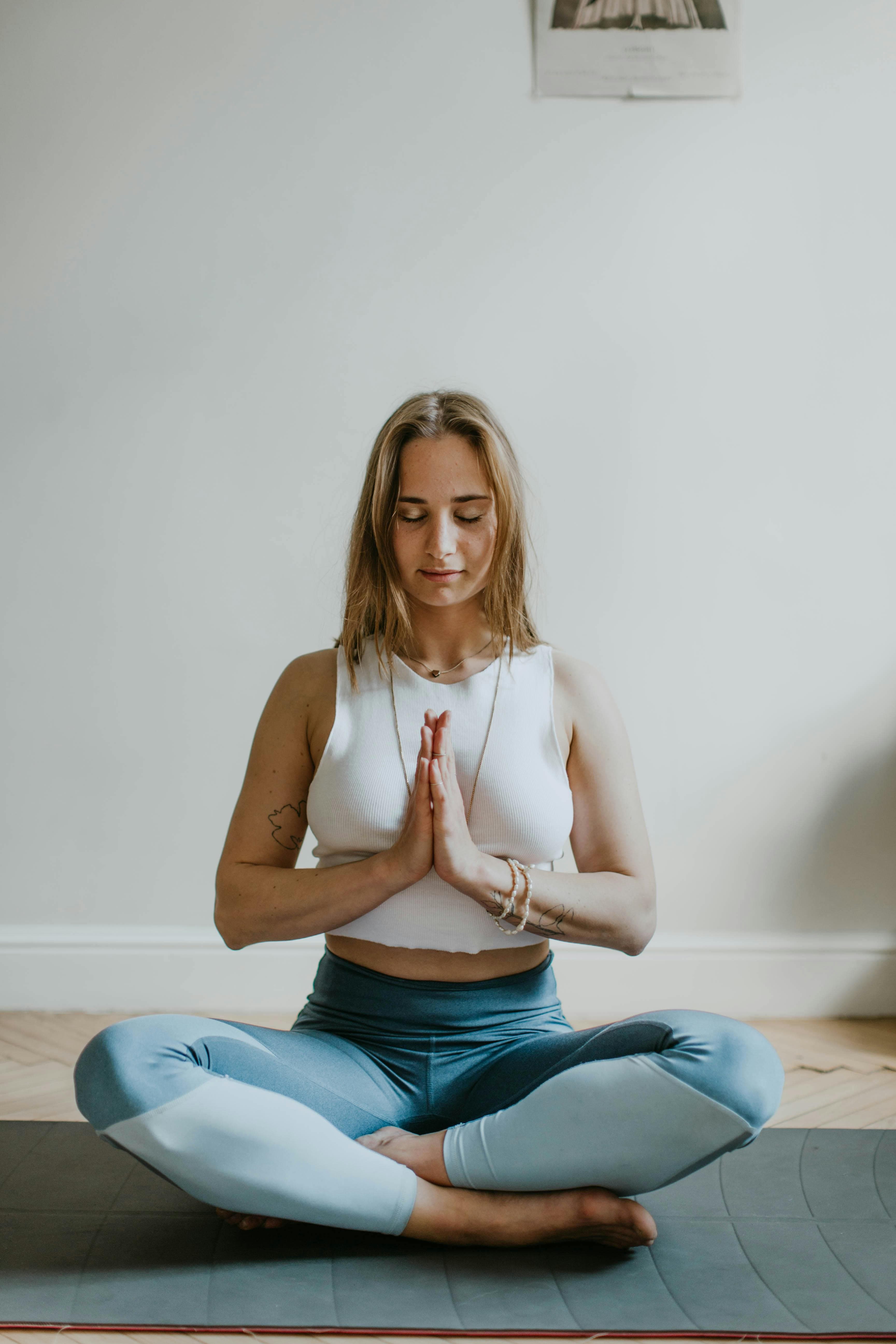
In yoga, the pause is more than just a momentary break; it's a deliberate, mindful pause that allows us to fully experience the present moment. Whether it's the pause between breaths, the stillness in a pose, or the silence between thoughts, these pauses are where the magic happens. They offer us an opportunity to tune into our inner selves, to listen to our bodies, and to find a sense of balance and peace.
The pause in yoga is not about doing nothing; it's about being fully present. When we pause, we create space for awareness to arise. We become aware of the sensations in our body, the rhythm of our breath, and the thoughts that pass through our mind. This awareness is the foundation of mindfulness, and it is through mindfulness that we can cultivate a deeper connection with ourselves.
Also Read: Complete Guide to the 7 Chakras and their Effects
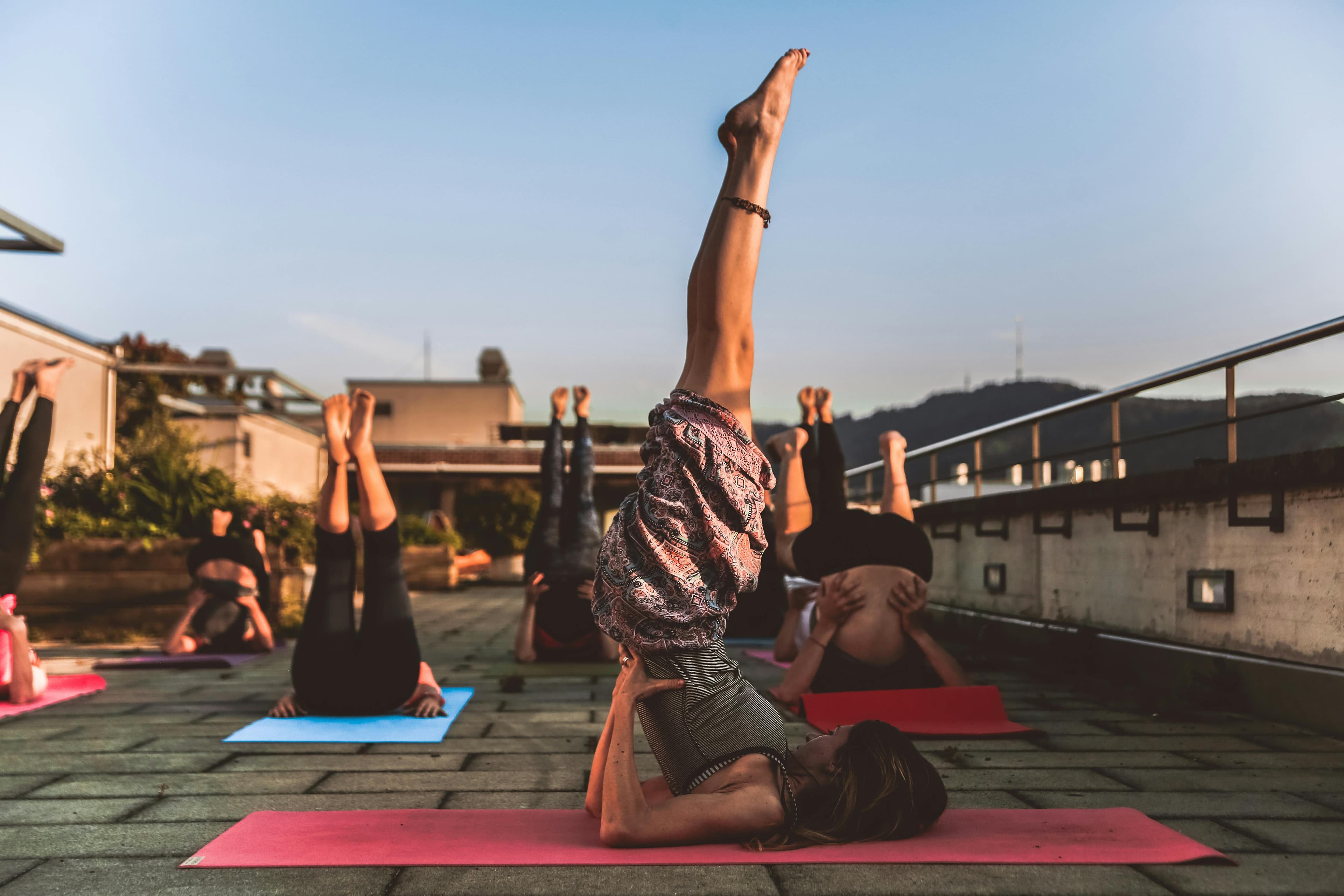
The Benefits of Pausing in Yoga
- Enhances Mind-Body Connection: The pause allows us to truly connect with our bodies. It helps us to feel the stretch, the alignment, and the energy flow in each pose. By pausing, we can make adjustments, ensuring that we are practicing safely and effectively.
- Promotes Mindfulness: Pausing during yoga encourages mindfulness. It helps us to focus on the present moment, letting go of distractions and worries. This mindfulness extends beyond the mat, helping us to approach life with greater calm and clarity.
- Reduces Stress and Anxiety: The pause gives our nervous system a chance to reset. It activates the parasympathetic nervous system, which is responsible for the body's rest and digest response. This can help to reduce stress and anxiety, promoting a sense of relaxation and well-being.
- Improves Breathing: The pause between breaths in yoga allows us to become more aware of our breathing patterns. This awareness can lead to deeper, more controlled breaths, which can improve oxygenation and overall lung function.
- Deepens Meditation: Pausing in yoga can be a form of meditation. It allows us to quiet the mind, focus inward, and experience a sense of stillness and peace. This meditative state can be incredibly restorative, both mentally and physically.
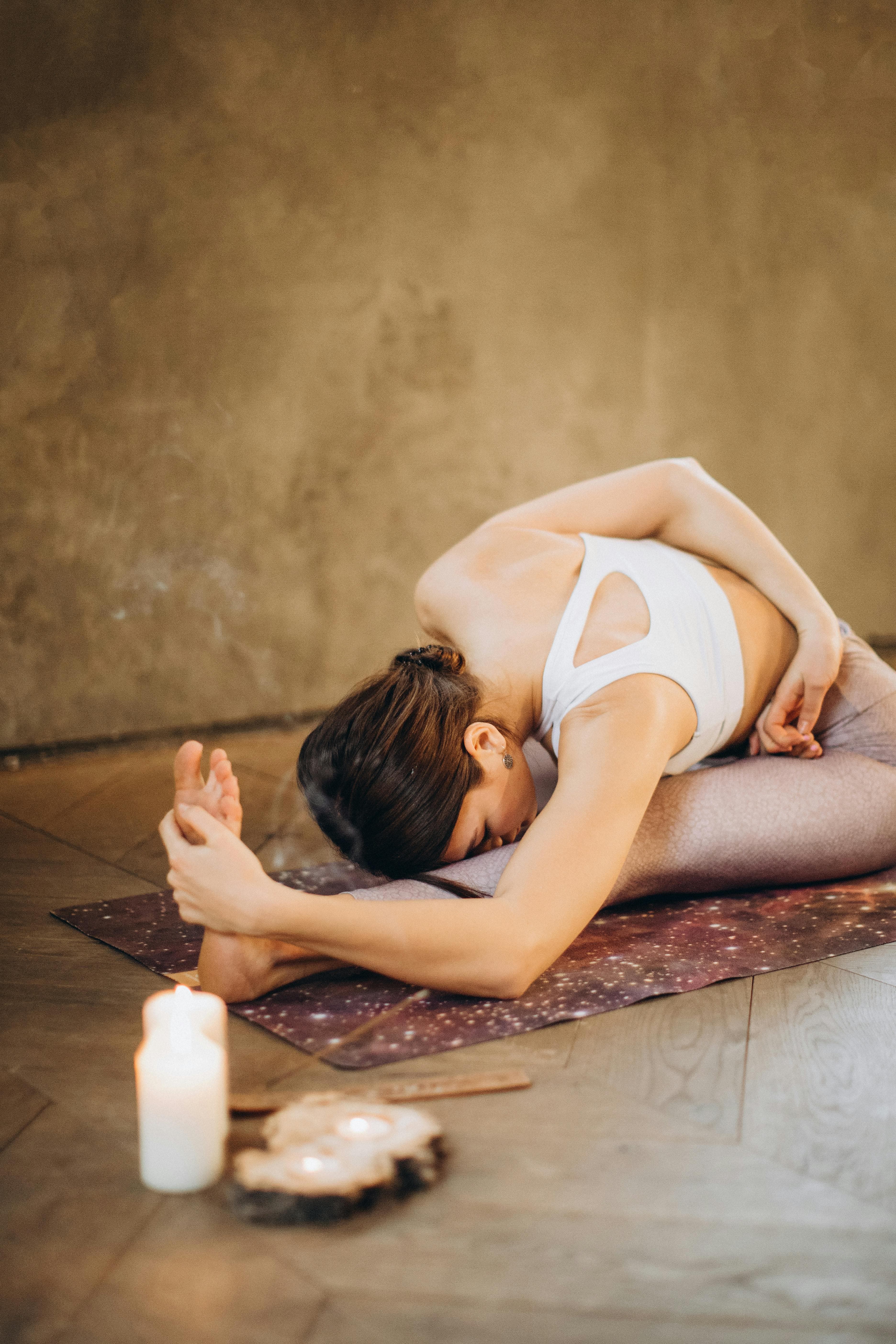
Incorporating the Pause into Your Practice
To fully harness the power of pause in your yoga practice, try the following:
- Between Poses: After completing a pose, take a moment to pause before transitioning to the next one. Use this time to notice how your body feels and to recalibrate your energy.
- During Breathing Exercises: Practice pausing briefly after each inhalation and exhalation. This can help to deepen your breath and enhance your awareness of the breath's impact on your body.
- In Meditation: Use the pause to deepen your meditation practice. Focus on the stillness between thoughts and allow yourself to fully immerse in the present moment.
- In Savasana: At the end of your practice, embrace the pause in Savasana (Corpse Pose). Allow yourself to rest fully, absorbing the benefits of your practice and cultivating a sense of inner peace.
Also Read: Why Ashtanga Yoga is More Than a Workout
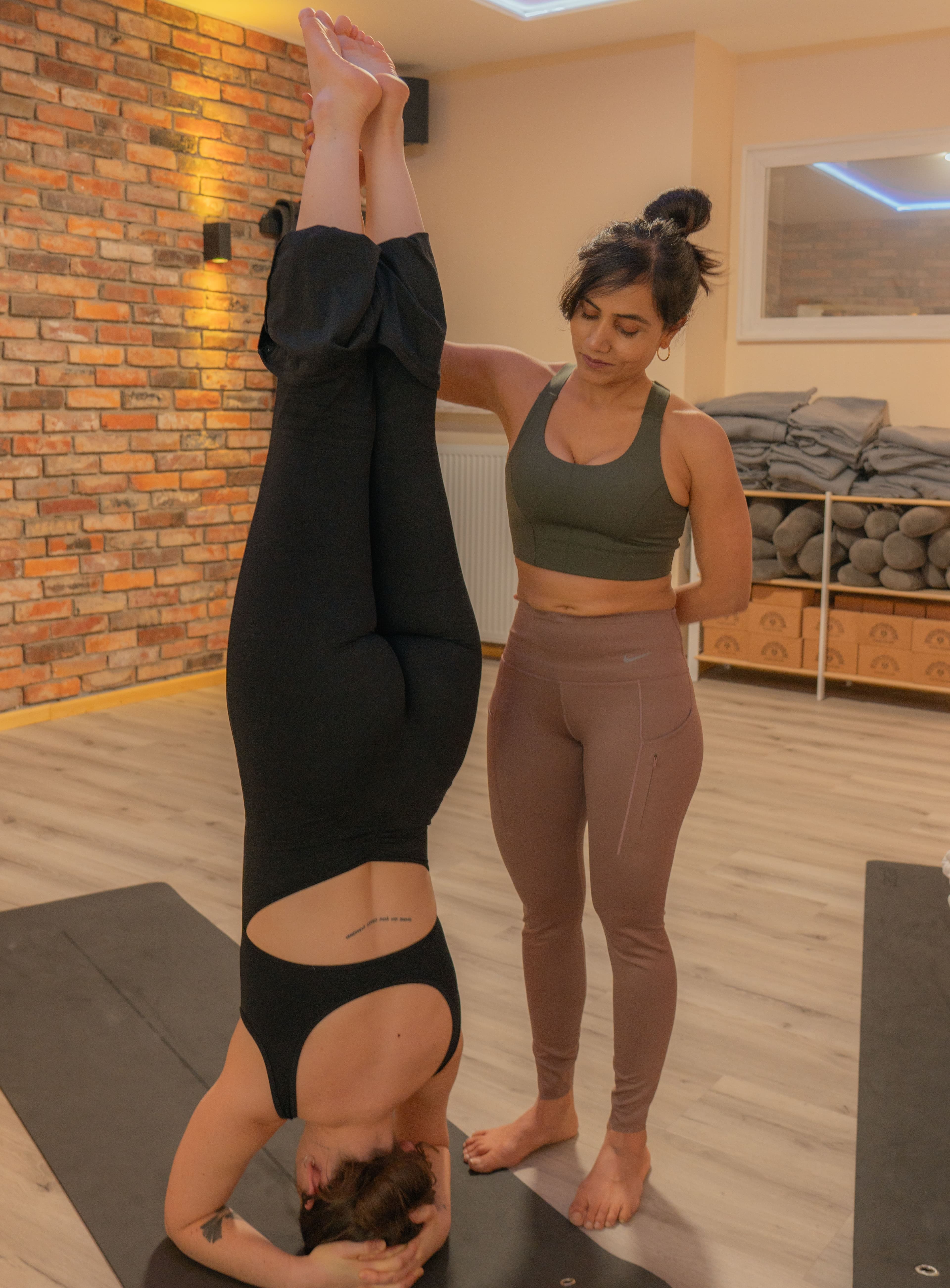
Also Read: Yoga Styles: 10 Main Yoga Types For Beginner
Join Us at Yogicescape in Friedrichshain
At Yogicescape in Friedrichshain, we believe in the transformative power of yoga and the importance of the pause. Our classes are designed to help you slow down, tune in, and find balance in both body and mind. Whether you're a beginner or an experienced yogi, our skilled instructors will guide you through a practice that honors the pause and encourages mindfulness.
Join us at Yogicescape to experience the power of pause for yourself. Our welcoming community is here to support you on your journey to greater well-being. Visit us today and take the first step toward a more mindful and balanced life. Join our classes here.
What the Research Says
A 2018 review in Frontiers in Human Neuroscience (Zaccaro et al.) found that breathing at around six breaths per minute — the pace used in classic pranayama — measurably increases heart-rate variability and shifts the nervous system toward its calm, parasympathetic state.
A 2017 meta-analysis in Psychoneuroendocrinology (Pascoe et al.) found that yoga practice measurably lowers physiological stress markers, including cortisol, blood pressure and resting heart rate.
FAQ: Pausing and Stillness in Yoga
What does pausing in yoga actually do?
A deliberate pause gives your nervous system a chance to reset: it activates the parasympathetic rest-and-digest response, reduces stress and anxiety, and creates the awareness of body, breath and thoughts that mindfulness is built on.
How do I build pauses into my yoga practice?
In three places: pause after completing a pose before moving to the next one and notice how your body feels; pause briefly after each inhalation and exhalation during breathing exercises; and give Savasana its full time at the end so the practice can be absorbed.
Is pausing the same as doing nothing?
No — the pause is not the absence of activity but full presence. You observe the sensations in your body, the rhythm of your breath and the thoughts passing through, which is a form of meditation in itself.
Why is Savasana so important?
Savasana is the final, longest pause of the class: lying still lets your body absorb the effects of the practice while your mind settles into deep rest. Skipping it means leaving before the practice has finished working.