
16 November 2026 · Yogicescape Team
Yin yoga for beginners: 10 poses to try, plus a 30-minute plan
Yin yoga for beginners means holding simple floor poses like Butterfly, Sphinx and Dragon for two to five minutes, letting gravity and stillness do the work instead of muscle effort. A simple 30-minute plan: start with Butterfly, move through Sphinx, Seal, Dragon, Half Butterfly, Caterpillar, Shoelace, Reclining Twist, Child's Pose and Legs-Up-the-Wall, resting one minute between poses, finishing with a few quiet minutes to notice how your body feels.
You sit down, fold forward over your legs, and nothing happens for the first thirty seconds. Then your mind starts arguing: am I doing this right, should it hurt a bit more, is this boring? That's yin yoga at minute one, and it's completely normal.
Yin yoga asks you to do less, not more. You hold simple floor poses for two to five minutes, letting gravity and time do the work instead of muscle effort. It's one of the more surprising forms of yoga once you get past the stillness, and it pairs well with almost any other movement practice you already do. Below are ten beginner-friendly poses and a simple 30-minute plan you can follow at home or bring with you to a studio class.
Yin yoga for beginners means holding simple floor poses like Butterfly, Sphinx and Dragon for two to five minutes, letting gravity and stillness do the work instead of muscle effort. A simple 30-minute plan: start with Butterfly, move through Sphinx, Seal, Dragon, Half Butterfly, Caterpillar, Shoelace, Reclining Twist, Child's Pose and Legs-Up-the-Wall, resting one minute between poses, finishing with a few quiet minutes to notice how your body feels.
Key statistics
- A single session of yin yoga reduced state anxiety more effectively than a session of moderate aerobic exercise in one controlled study.
- Women in a randomized controlled trial showed measurable improvements in flexibility and breathing rate after a structured yin yoga program.
- Participants in a yin yoga course during the COVID-19 pandemic reported significantly lower trait anxiety scores after completing the program.
What makes yin yoga different from other yoga styles?
Yin yoga slows everything down. Most yoga styles, like Vinyasa Flow or Power Vinyasa, keep your muscles working and your breath moving fast between poses. Yin does the opposite: you find a pose, settle into it, and stay for two to five minutes without much movement.
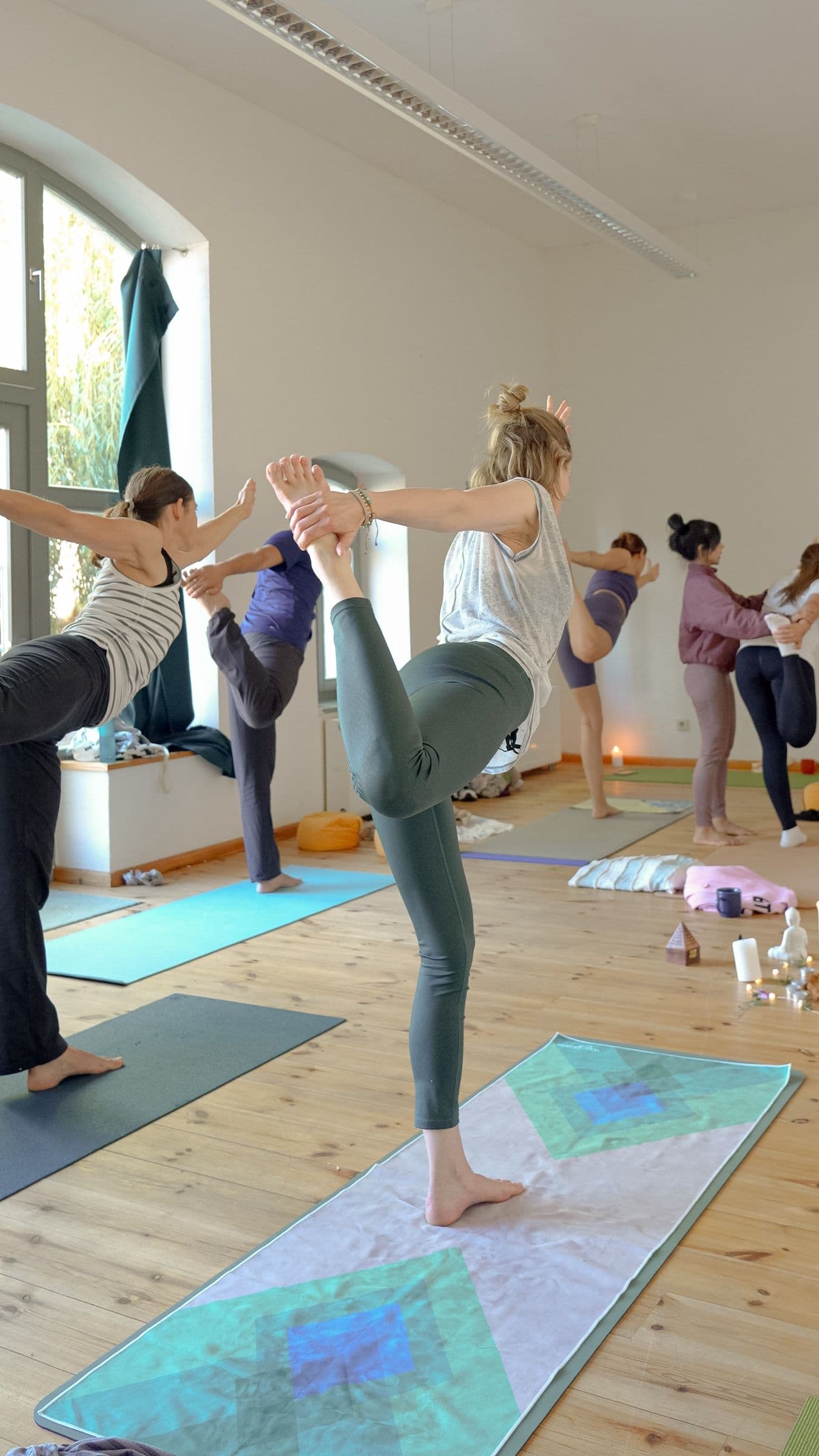
Your muscles relax instead of staying active. The idea is to load the tissue around your joints gently and for longer, rather than working the muscles. If you want to understand this contrast more fully, our piece on Hatha vs Yin Yoga breaks down which style suits which mood and body.
This stillness is exactly why yin feels strange at first. You're not failing at the pose if your mind wanders. That's simply what two minutes of sitting still with yourself feels like for most beginners.
Yin yoga trades muscle work for stillness, letting gravity and time stretch connective tissue instead.
Which 10 yin yoga poses are best for beginners?
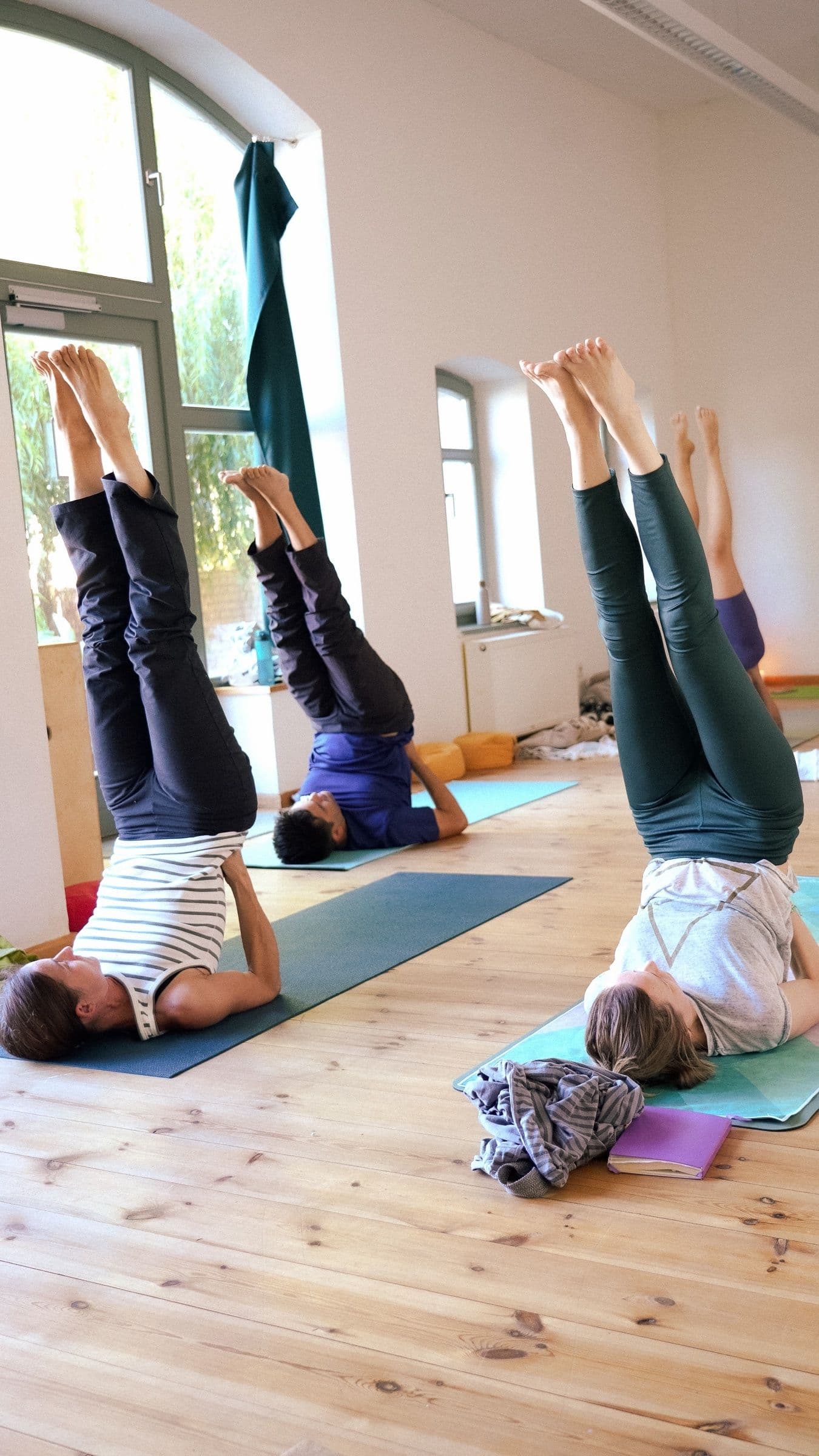
Here are ten simple, floor-based poses that make a solid beginner sequence. None require flexibility you don't already have, and all can be adjusted with a cushion or block.
1. Butterfly: soles of the feet together, fold forward gently.
2. Sphinx: lying on your stomach, propped on forearms.
3. Seal: a deeper backbend version of Sphinx on straight arms, only if it feels fine for your lower back.
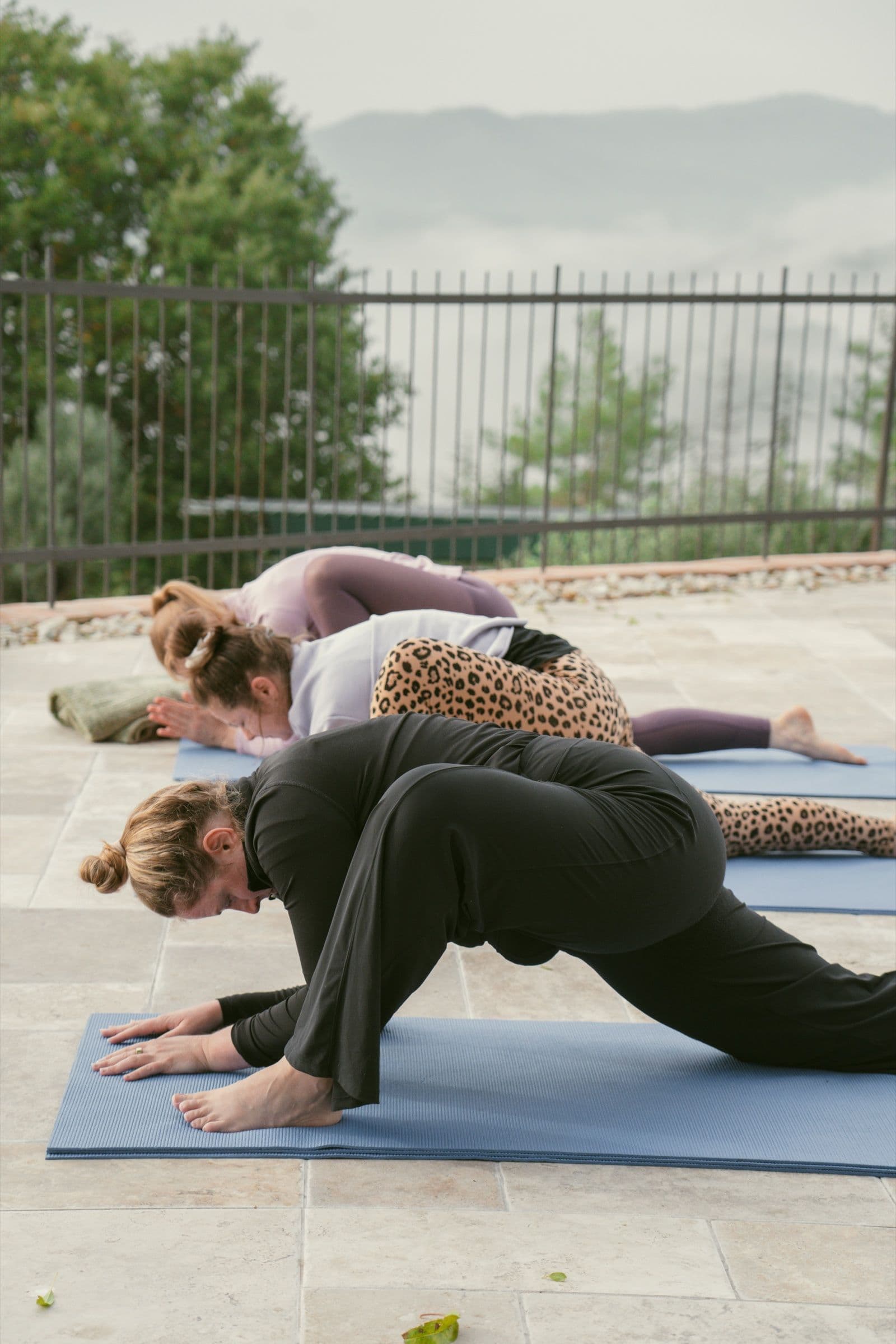
4. Dragon: a long lunge, hands on blocks for support.
5. Half Butterfly: one leg folded, one leg extended, folding over the straight leg.
6. Caterpillar: both legs extended, a simple forward fold.
7. Shoelace: knees stacked, sitting back between or over the feet.
8. Reclining Twist: lying on your back, knees dropping to one side.
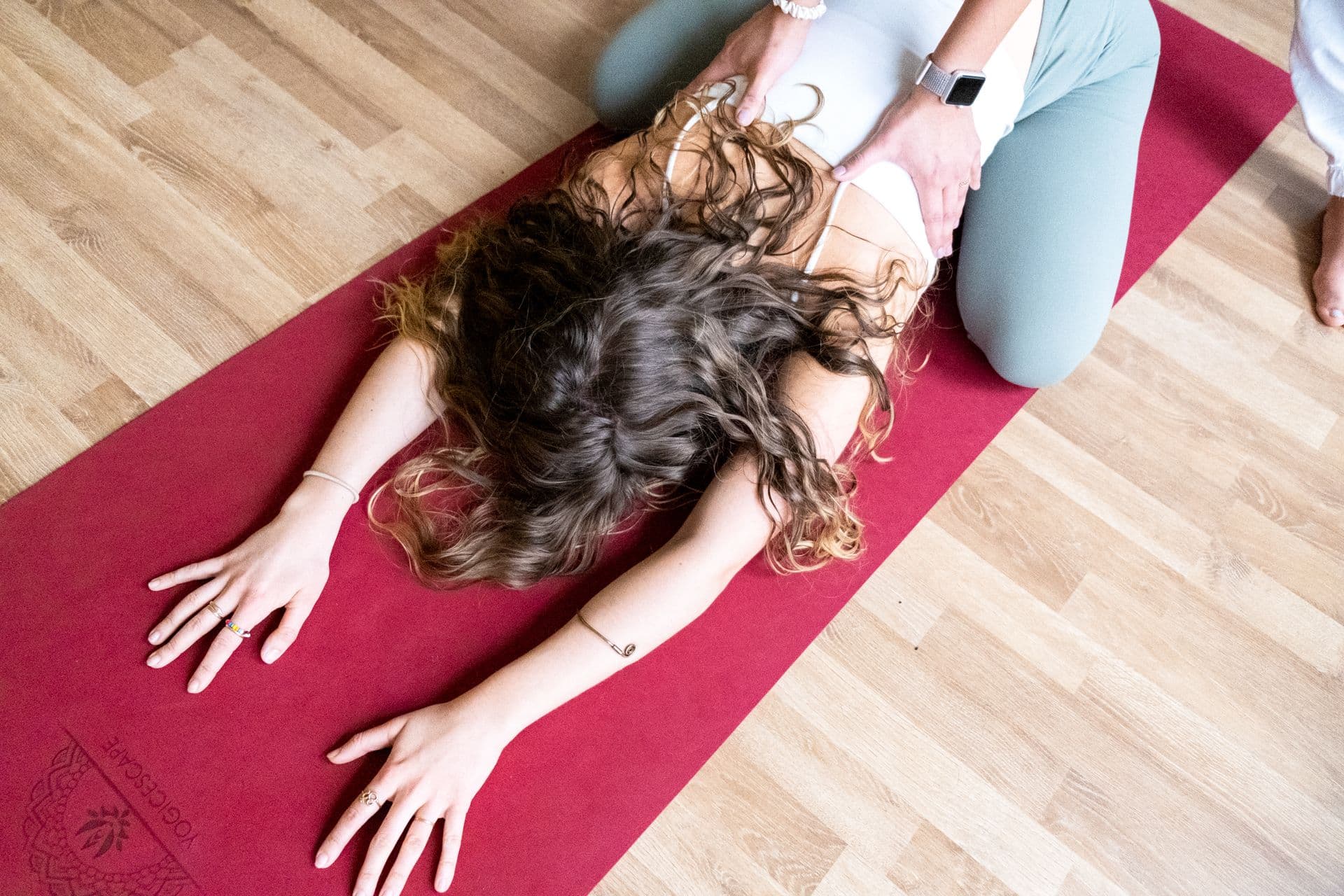
9. Child's Pose: knees wide, forehead resting down.
10. Legs-Up-the-Wall: legs resting up a wall, arms open.
Each pose targets a different area, from hips to spine to shoulders. You don't need to nail the exact shape. A rounded back in Caterpillar or a lifted hip in Dragon is completely fine while you're learning.
Ten simple floor poses, from Butterfly to Legs-Up-the-Wall, cover hips, spine and shoulders for any beginner.
How does a 30-minute yin yoga routine actually flow?
Here's a straightforward plan using the poses above. Spend roughly three minutes per pose, with a short rest between each one.
Minutes 0 to 3: Butterfly
Minutes 3 to 6: Sphinx
Minutes 6 to 9: Seal (or stay in Sphinx if your back prefers it)
Minutes 9 to 12: Dragon, right side
Minutes 12 to 15: Dragon, left side
Minutes 15 to 18: Half Butterfly, right side
Minutes 18 to 21: Half Butterfly, left side
Minutes 21 to 24: Shoelace or Reclining Twist
Minutes 24 to 27: Child's Pose
Minutes 27 to 30: Legs-Up-the-Wall or simply lying still
Set a timer so you're not watching the clock the whole time. A phone alarm every three minutes works well, or a free meditation app with interval bells. Once this rhythm feels familiar, guided pacing in a studio class, like Yin Yoga at Yogicescape, lets you skip the timer and just be in the pose.
A simple 30-minute plan moves through ten poses in roughly three-minute holds, timer optional but helpful.
Can yin yoga actually help with stress and anxiety?
Early research says yes, though it's worth staying realistic about what one yoga session can do. A controlled study comparing a single yin yoga session to a single aerobic exercise session found yin reduced state anxiety more effectively. That's one session, one measurable shift, nothing permanent promised.
A separate study during the COVID-19 pandemic followed people through a full yin yoga course and found lower trait anxiety by the end. Trait anxiety is the more stable, everyday kind, so that's a more meaningful shift than a single-session effect.
A randomized trial on healthy women also found measurable improvements in flexibility and breathing rate after a structured program. Slower, longer breaths tend to come naturally once your nervous system isn't bracing for the next pose. If breath is something you want to work on directly, our guide to breath, bandha and drishti in Vinyasa practice explains the mechanics further, and Yogicescape's Breathwork & Pranayama classes build on that in a guided setting.
Studies link yin yoga to lower anxiety and better breathing, though effects build over repeated practice, not one session.
What should I pay attention to while holding a pose?
Mostly, your breath and your edge. The "edge" in yin language means the point where you feel a clear stretch without sharp pain. You want mild to moderate sensation, something you can stay with, not something you're gritting your teeth through.
Your muscles should stay soft rather than tensing against the pose. If a muscle stays tense, the stretch mostly affects that muscle, not the deeper tissue yin is meant to reach. Letting go takes practice. Most people hold tension somewhere without noticing, so the first few sessions are partly about learning what "soft" even feels like.
If a pose is painful in a joint, not just stretchy in the tissue around it, come out. That's a different signal entirely, worth respecting rather than pushing through.
Find a mild, steady stretch and let muscles soften. Sharp joint pain means come out, not push through.
Who else benefits from a slow, still practice like yin?
Yin yoga shows up in some surprising settings beyond the studio floor. A pilot study on dementia caregivers found a short yin yoga program lowered caregiver burden and raised self-compassion scores. Caregiving is relentless, and a practice that asks for nothing but stillness can be a genuine break.
Future yoga teachers benefit too. One study on trainee instructors found regular yin practice was linked to higher self-compassion and mindfulness during their training.
Even outside wellness professions, a study on pharmacy faculty and students found improved well-being scores after a combined yin yoga and meditation program. The common thread across all these groups is simple: people under steady pressure, given permission to sit still for a while, report feeling better for it.
From caregivers to pharmacy students, structured yin yoga programs are linked to better well-being across very different groups.
FAQ
How long should a beginner hold a yin yoga pose?
Start with one to two minutes per pose and build up to three or five as your body adjusts. The stretch should feel steady, not sharp. If you shake or can't breathe easily, come out slowly and try a gentler version next time.
Can I do yin yoga every day?
Yes, yin yoga is gentle enough for daily practice since it doesn't tax muscles the way active styles do. Many people pair a few yin poses each evening with a weekly class for guided pacing and themes, such as the sessions at Yogicescape.
What's the difference between yin and restorative yoga?
Restorative yoga supports the body fully with props so nothing stretches. Yin yoga uses less support and creates a gentle stretch sensation in connective tissue, held for several minutes. Both are slow and calming, but yin asks a bit more of the body.
Do I need special equipment for yin yoga at home?
A mat and a cushion or folded blanket cover most poses. Blocks help in poses like Dragon or Shoelace if your hips sit far from the floor. Nothing fancy required to start, just a quiet corner and a timer.
Is yin yoga good for anxiety?
Early research is promising. One study found yin yoga reduced state anxiety more than a single aerobic workout session, and another study during the COVID-19 pandemic found lower trait anxiety after a yin yoga course. It's not a treatment, but many people find it calming.
Where can I try yin yoga in Berlin with guidance?
Yogicescape offers Yin Yoga classes with singing bowls at both the Prenzlauer Berg and Friedrichshain studios, with a teacher guiding timing and alignment so you can fully relax into each pose instead of watching the clock.
Sources
- (PDF) Acute Effects of Yin Yoga and Aerobic Exercise on Anxiety
- The effects of yin yoga on physical, emotional and breathing parameters in healthy adult women: a single blind randomized controlled trial
- The effect of yin yoga intervention on state and trait anxiety during the COVID-19 pandemic
- (PDF) Nurturing the Self: How Yin Yoga Enhances Compassion, Wellbeing, and Mindfulness in Future Instructors
- A PILOT STUDY OF YIN YOGA AND THE EFFECTS ON BURDEN AND SELF-COMPASSION IN CAREGIVERS OF PERSONS WITH DEMENTIA
- Impact of a Yin Yoga and meditation intervention on pharmacy faculty and student well-being - ScienceDirect