
16 November 2026 · Yogicescape Team
Yin Yoga Benefits: What the Research Actually Shows, and What It Doesn't
Yin yoga's clearest, best-documented effect is on flexibility and joint range of motion, backed by randomized trials. Evidence for stress, anxiety and mood relief is promising but comes from small studies, so it's fair to say it helps many people feel calmer and move better, without treating it as a cure for any condition.
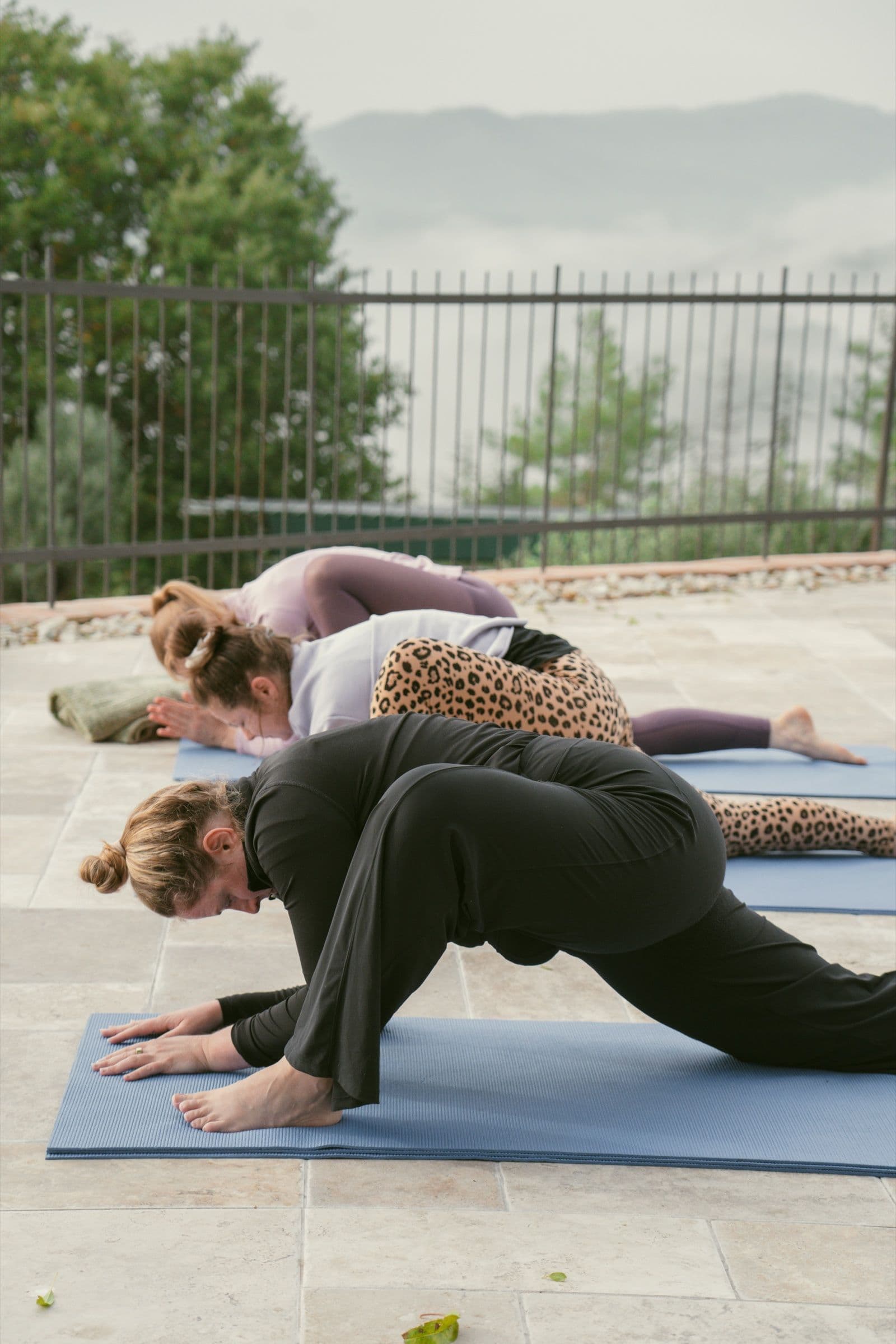
A yin yoga class rarely looks dramatic from the outside. People lie on mats, folded over a bolster or resting in a wide-legged seat, barely moving for three or five minutes at a time. It looks like very little is happening.
But a growing, if still modest, body of research has started asking what that stillness actually does. Some findings are concrete and replicated across studies: flexibility goes up, certain breathing patterns shift, and some stress markers go down. Other claims floating around wellness culture (detoxing organs, draining fascia of trauma) have no study behind them at all. This piece sticks to what the published research actually measured.
Yin yoga's clearest, best-documented effect is on flexibility and joint range of motion, backed by randomized trials. Evidence for stress, anxiety and mood relief is promising but comes from small studies, so it's fair to say it helps many people feel calmer and move better, without treating it as a cure for any condition.
Key statistics
- A randomized controlled trial on healthy adult women measured changes across physical, emotional and breathing parameters after a yin yoga program (2025).
- The five-week YOMI randomized controlled study found reduced stress and worry scores among participants.
- A pharmacy faculty and student well-being study used a yin yoga and meditation intervention as its tested format.
What does yin yoga actually change in the body?
The most consistent, best-documented effect of yin yoga is on flexibility and joint range of motion. A randomized controlled trial on female college students, conducted during the COVID-19 period, found measurable gains in both flexibility and balance after a structured yoga intervention. That matters because yin yoga is built around long, passive holds, often two to five minutes per pose, which target connective tissue rather than muscle.
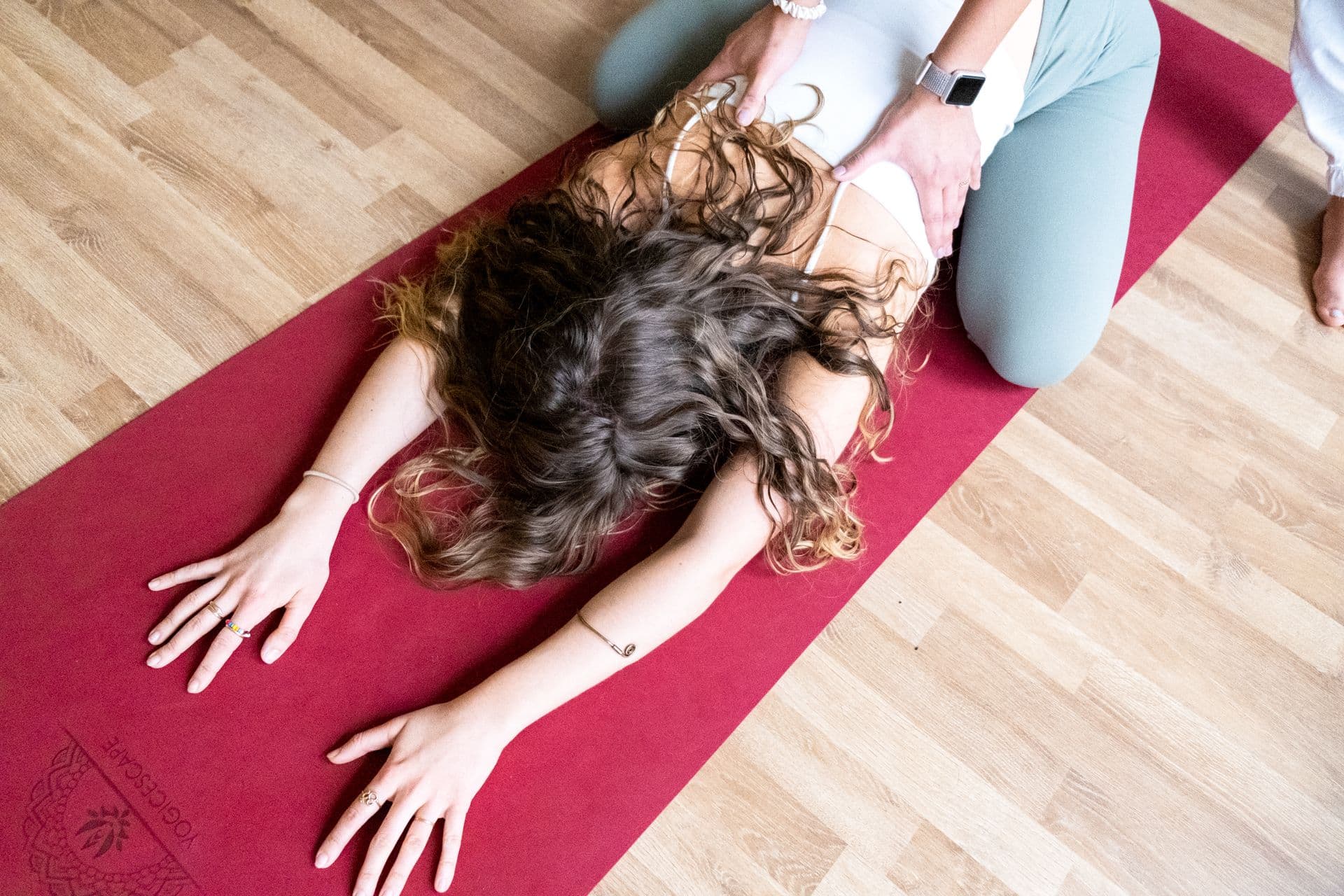
A separate 2025 randomized controlled trial on healthy adult women went further, tracking physical, emotional and breathing parameters together rather than flexibility alone. That combined approach is useful: it means researchers aren't just asking whether people feel looser, but whether that physical change travels alongside anything else measurable.
If you're new to how yin differs from a more dynamic practice, our comparison of Hatha and Yin yoga for beginners breaks down the practical differences in pace and intensity.
Flexibility and joint mobility are the most reliably documented physical effects of yin yoga.
Can yin yoga lower stress and anxiety?
The evidence here is encouraging but still early. A five-week randomized controlled study, known as the YOMI program, tested yin yoga combined with mindfulness and found reductions in both stress and worry scores among participants. Five weeks is a short window, but a randomized design gives the result more weight than a simple before-and-after survey.
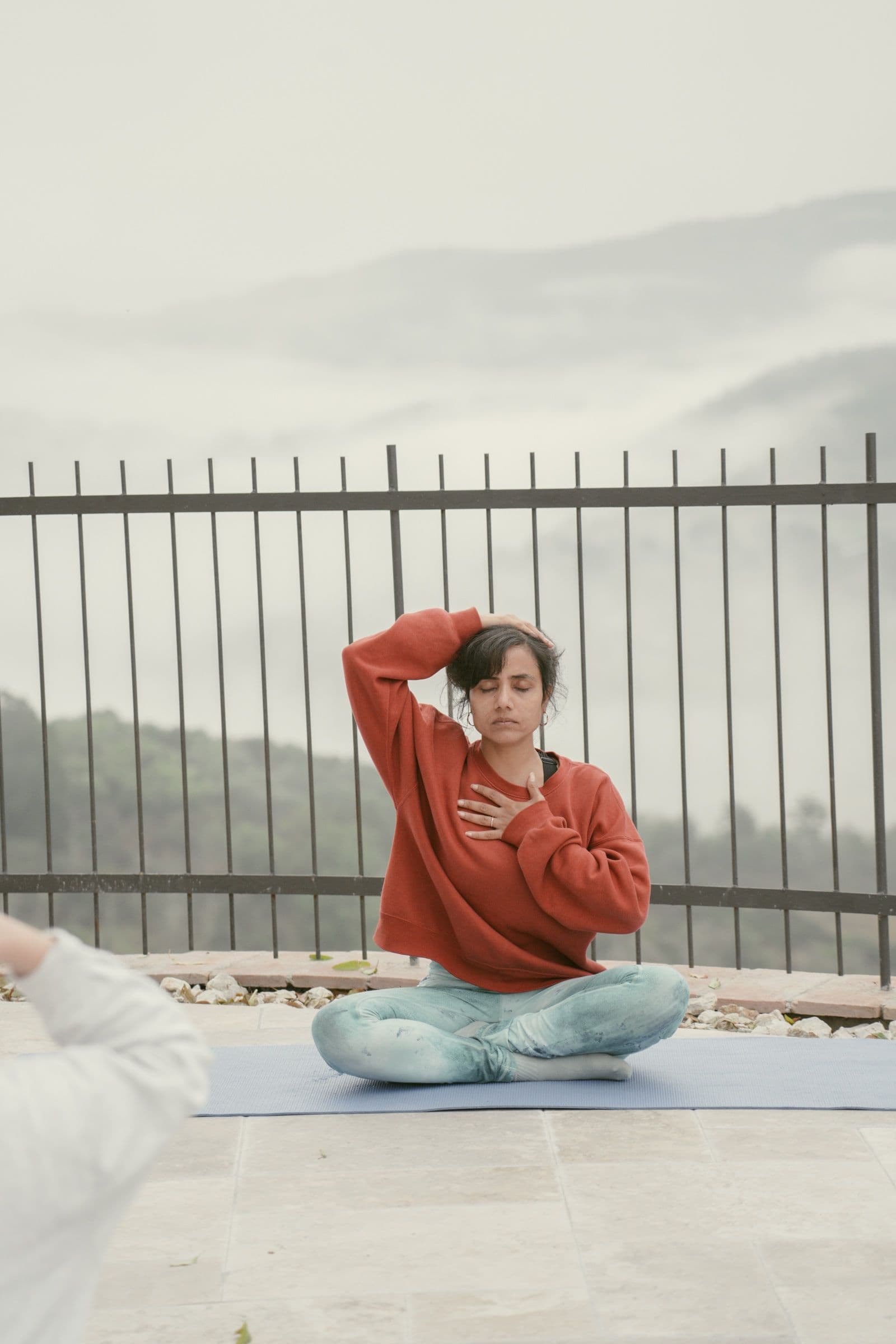
A second study, run during the COVID-19 pandemic, measured both state anxiety (how anxious someone feels right now) and trait anxiety (a more stable tendency toward anxiousness) before and after a yin yoga intervention. Both dropped. That's two separate studies, using two different anxiety measures, pointing in the same direction.
None of this means yin yoga treats anxiety as a condition. It means a structured practice, done consistently over weeks, was associated with lower self-reported stress and worry in these specific study groups.
Two independent randomized studies link yin yoga practice to lower self-reported stress and anxiety.
Does yin yoga help with sleep or breathing?
Breathing parameters appeared as one of several outcomes tracked in the 2025 trial on healthy adult women, alongside physical and emotional measures. The study didn't isolate breathing as a standalone miracle fix. It measured it as part of a broader picture of what changes over a program of regular practice.
This is worth being honest about: breathwork and yin yoga are related but not identical practices. If slower, more intentional breathing is specifically what you're after, Breathwork & Pranayama classes at Yogicescape are built around that focus directly, rather than as a side effect of long holds.
Breathing shifts were measured as one part of a broader yin yoga study, not as an isolated headline result.
What about well-being at work or in high-stress environments?
Two related studies looked at yin yoga and meditation in a specific population: pharmacy faculty and students, a group with documented high academic and professional stress. Both versions of this study (one via ScienceDirect, one indexed through PubMed) tested the same intervention format and reported it as a usable tool for well-being in that setting.
What stands out is the setting itself. This wasn't a wellness retreat population; it was working professionals and students in a demanding academic track. That context matters when judging whether findings might generalize to other busy, stressed groups.
Even in high-stress academic and professional settings, yin yoga and meditation together showed measurable well-being benefits.
Where does the evidence run out?
Most of these studies are small. Sample sizes in yoga research are commonly in the dozens, not the hundreds, and study periods run from five weeks to a few months. That's enough to detect a real signal, but not enough to call any of these findings settled or universal.
Claims you'll hear elsewhere, such as yin yoga releasing stored emotional trauma from fascia or detoxifying organs, don't appear in any of the six studies cited here. That doesn't mean practitioners are wrong to feel something during a long hold. It means the physiological mechanism behind that feeling hasn't been measured or confirmed in these trials.
If you want to think more broadly about why slowness itself might matter in a practice, our piece on the power of pausing in yoga explores that question outside the lab.
The research supports flexibility, stress and anxiety effects, not fascia-release or detox claims that circulate informally.
Is yin yoga right for you, practically speaking?
Yin yoga works best for people who want a slower complement to a more active practice, or who are specifically curious about flexibility and stress effects backed by the studies above. It asks for patience: holds of several minutes can feel uncomfortable before they feel good, especially for beginners used to constant movement.
At Yogicescape, Yin Yoga runs at both the Prenzlauer Berg and Friedrichshain studios, so you can try it close to wherever you are in Berlin. If chakra-focused stillness interests you specifically, our guide on yin yoga and meditation for chakra balance covers that angle in more depth.
Yin yoga suits anyone wanting a slower, research-backed complement to a faster-paced practice.
FAQ
Does yin yoga actually improve flexibility?
Yes, this is the best-supported finding. A randomized controlled trial on female college students found measurable gains in flexibility and balance after a structured yoga program during the COVID-19 period.
Can yin yoga reduce stress and anxiety?
Several small trials point that way. A five-week randomized study called YOMI found reduced stress and worry, and a COVID-19 era study measured lower state and trait anxiety after a yin yoga intervention.
Is yin yoga good for breathing?
A 2025 randomized controlled trial on healthy adult women measured changes in breathing parameters alongside physical and emotional ones after a yin yoga program. The effect on breathing specifically is one part of a broader set of measured outcomes, not an isolated finding.
Who studies yin yoga, and is the research solid?
Most studies are small, randomized, and short in duration, including university and pharmacy faculty samples. That's a reasonable starting point scientifically, but it means results should be read as promising trends, not settled medical fact.
Where can I try yin yoga in Berlin?
Yogicescape offers Yin Yoga classes at both its Prenzlauer Berg and Friedrichshain studios. If you want to understand how it differs from a more active practice first, our comparison of Hatha and Yin styles is a good place to start.
Is yin yoga suitable for total beginners?
Generally yes. The pace is slow and poses are held passively, which makes it accessible for people new to yoga or returning after a break. If you're unsure which class fits your body and goals, our beginner's checklist for choosing a class in Berlin can help.
Sources
- The effects of yin yoga on physical, emotional and breathing parameters in healthy adult women: a single blind randomized controlled trial
- Yin yoga and mindfulness: a five week randomized controlled study evaluating the effects of the YOMI program on stress and worry
- Impact of a Yin Yoga and meditation intervention on pharmacy faculty and student well-being - ScienceDirect
- The effect of yin yoga intervention on state and trait anxiety during the COVID-19 pandemic
- Impact of a Yin Yoga and meditation intervention on pharmacy faculty and student well-being - PubMed
- The effects of a yoga intervention on balance and flexibility in female college students during COVID-19: A randomized controlled trial