
21 October 2024 · YogicEscape Berlin
Exploring the Chakras: Understanding Energy Centers in the Body
Chakras, meaning “wheel” in Sanskrit, are the energy centers in the body that influence our physical, emotional, and spiritual well-being. Understanding these energy centers is essential to achieving balance and harmony within ourselves. There are seven primary chakras, each associated with a specific area of the body and different aspects of our lives. Let’s explore these chakras and understand how they affect us.1. Root Chakra (Muladhara) • Location: Base of the spine • Color: Red • Element: E
In yogic tradition, seven chakras run from the base of the spine to the crown of the head, and each carries a full profile: a location, a color, an element and a mantra — from the Root chakra's earth element and "I am" to the Crown chakra's "I understand". Each center is linked to a life theme such as security, creativity, confidence, love, expression, intuition or connection, and each has its own balancing practices, from grounding walks to chanting and meditation.
Chakras, meaning “wheel” in Sanskrit, are the energy centers in the body that influence our physical, emotional, and spiritual well-being. Understanding these energy centers is essential to achieving balance and harmony within ourselves. There are seven primary chakras, each associated with a specific area of the body and different aspects of our lives. Let’s explore these chakras and understand how they affect us.
What Are Chakras?
In yogic teaching, chakras are energy centers in the body: points along the spine where life energy (prana) gathers and spreads. The Sanskrit word "chakra" means "wheel" or "circle". It is a model that yoga and meditation have used for centuries to map body, emotion and attention, not an anatomical structure that would show up on an X-ray.
The idea comes from India. The chakra system was worked out in tantric texts from around the 8th century. The version known today, with six centers along the spine and the crown chakra above them, goes back mainly to the Sat-Chakra-Nirupana of the 16th century. The rainbow colors you see everywhere now were added in the West in the 20th century.
The 7 Chakras at a Glance
From bottom to top, each with its location, color and life theme:
- Root chakra (Muladhara): base of the spine, red. Security and stability.
- Sacral chakra (Svadhisthana): below the navel, orange. Emotion and creativity.
- Solar plexus chakra (Manipura): upper abdomen, yellow. Confidence and drive.
- Heart chakra (Anahata): center of the chest, green. Love and compassion.
- Throat chakra (Vishuddha): throat, blue. Expression and communication.
- Third eye chakra (Ajna): between the eyebrows, indigo. Intuition and clarity.
- Crown chakra (Sahasrara): top of the head, violet or white. Connection.
The Seven Chakras and Their Meaning in Detail
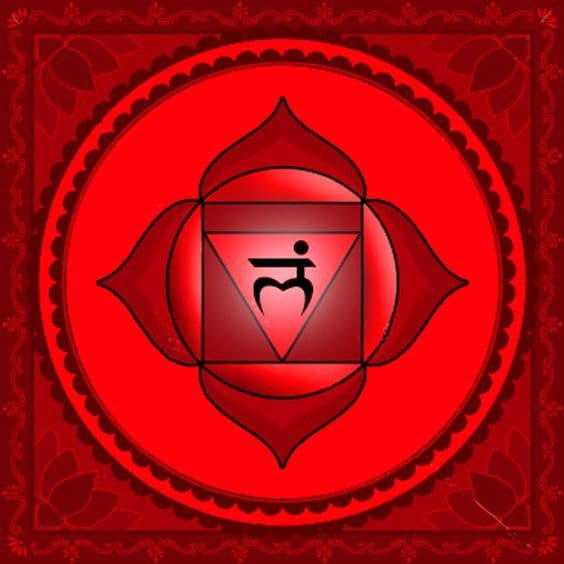
1. Root Chakra (Muladhara)
- Location: Base of the spine
- Color: Red
- Element: Earth
- Mantra: "I am"
The root chakra is the foundation of our energy system and represents our sense of security, stability, and survival. It governs our basic needs such as food, shelter, and emotional grounding. When this chakra is balanced, we feel safe, confident, and rooted. However, if it’s blocked or imbalanced, we may feel anxious, fearful, or disconnected from the physical world.
Ways to Balance: Grounding activities such as walking barefoot on the earth, practicing yoga poses like Mountain Pose, and meditating on feelings of safety and security can help restore balance to this chakra.
2. Sacral Chakra (Svadhisthana)
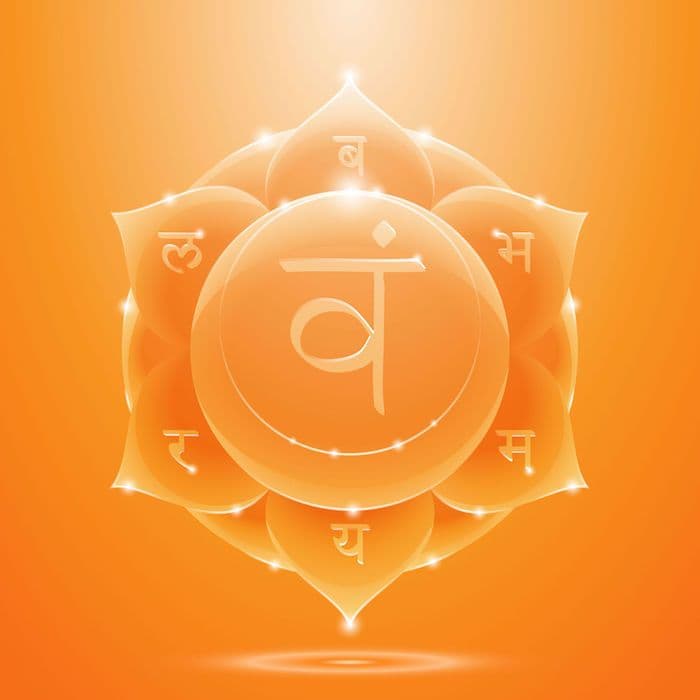
- Location: Below the navel
- Color: Orange
- Element: Water
- Mantra: "I feel"
The sacral chakra is the center of creativity, passion, and pleasure. It governs our emotions, sensuality, and the ability to form meaningful connections. When in balance, it brings us a sense of joy, creativity, and healthy relationships. When blocked, it can lead to emotional instability, low libido, or creative blocks.
Ways to Balance: Engaging in creative pursuits, dancing, and exploring water-related activities can help open this chakra. Meditation that focuses on acceptance and emotional flow can also restore balance.
3. Solar Plexus Chakra (Manipura)
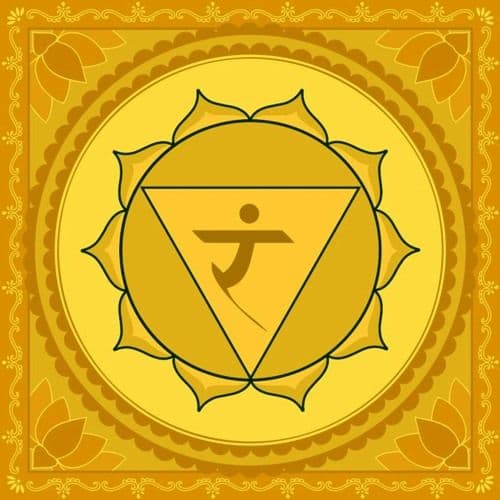
- Location: Upper abdomen, above the navel
- Color: Yellow
- Element: Fire
- Mantra: "I do"
The solar plexus chakra is our center of personal power, self-esteem, and confidence. It drives our sense of purpose, ambition, and the ability to take control of our lives. A balanced solar plexus chakra gives us inner strength and determination, while an imbalanced one can manifest as feelings of powerlessness, low self-esteem, or excessive control.
Ways to Balance: Practices that enhance confidence, such as power yoga, core-strengthening exercises, and visualization of sunlight radiating from the core, can activate and balance this chakra.
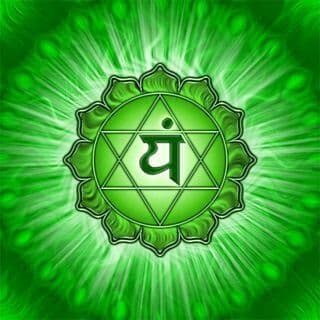
4. Heart Chakra (Anahata)
- Location: Center of the chest
- Color: Green
- Element: Air
- Mantra: "I love"
The heart chakra is the center of love, compassion, and connection to others. It governs our ability to give and receive love, forgiveness, and empathy. When in balance, we feel open, kind, and connected to others. An imbalance may lead to feelings of loneliness, resentment, or an inability to love.
Ways to Balance: Practicing loving-kindness meditation, engaging in acts of compassion, and focusing on self-love and forgiveness help restore harmony to the heart chakra.
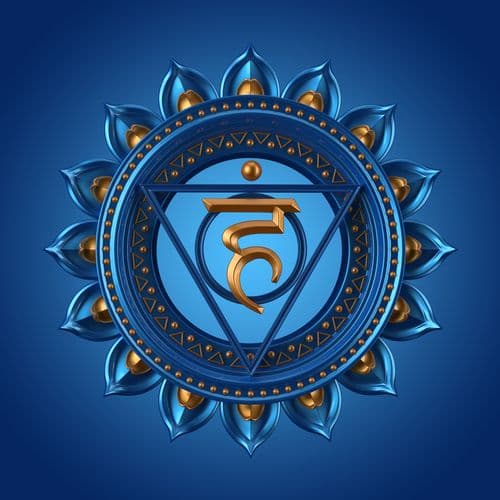
5. Throat Chakra (Vishuddha)
- Location: Throat
- Color: Blue
- Element: Ether
- Mantra: "I speak"
The throat chakra is the center of communication, self-expression, and truth. It governs how we speak and express ourselves to the world. When in balance, we can communicate clearly, listen effectively, and express our true selves. If blocked, we may struggle with expressing our needs or find ourselves unable to speak up for ourselves.
Ways to Balance: Singing, chanting, journaling, and speaking your truth without fear can help open and balance the throat chakra. It’s important to practice clear and authentic communication, both with yourself and others.
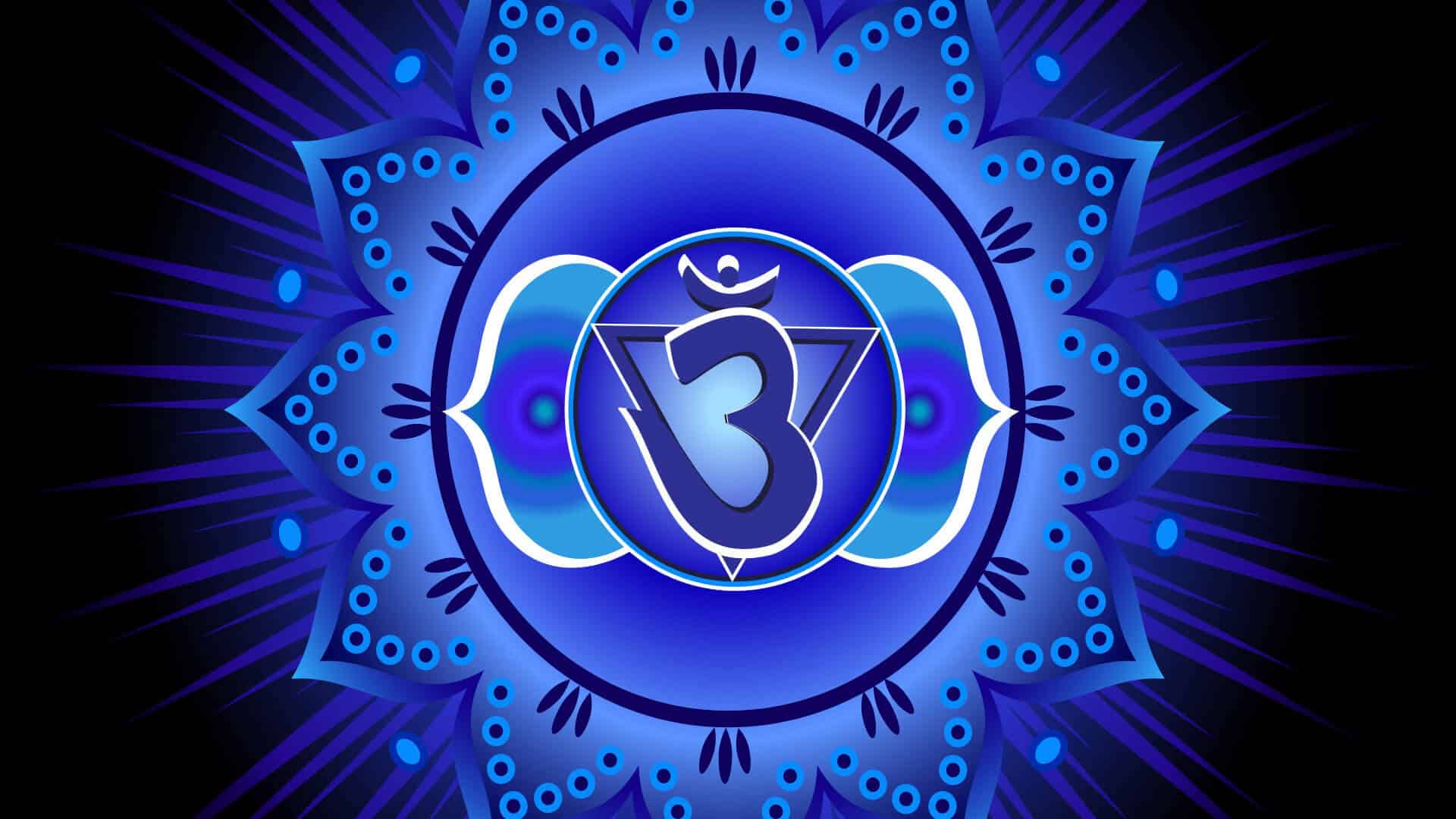
6. Third Eye Chakra (Ajna)
- Location: Between the eyebrows
- Color: Indigo
- Element: Light
- Mantra: "I see"
The third eye chakra is the center of intuition, insight, and inner wisdom. It governs our ability to perceive beyond the physical world, helping us tap into our inner guidance and psychic abilities. A balanced third eye chakra enhances our ability to trust our instincts, while an imbalance can lead to confusion, lack of focus, or a disconnect from reality.
Ways to Balance: Meditation, visualization, and spending time in quiet reflection can strengthen the third eye chakra. Trusting your intuition and engaging in practices that sharpen your inner vision can also enhance this energy center.
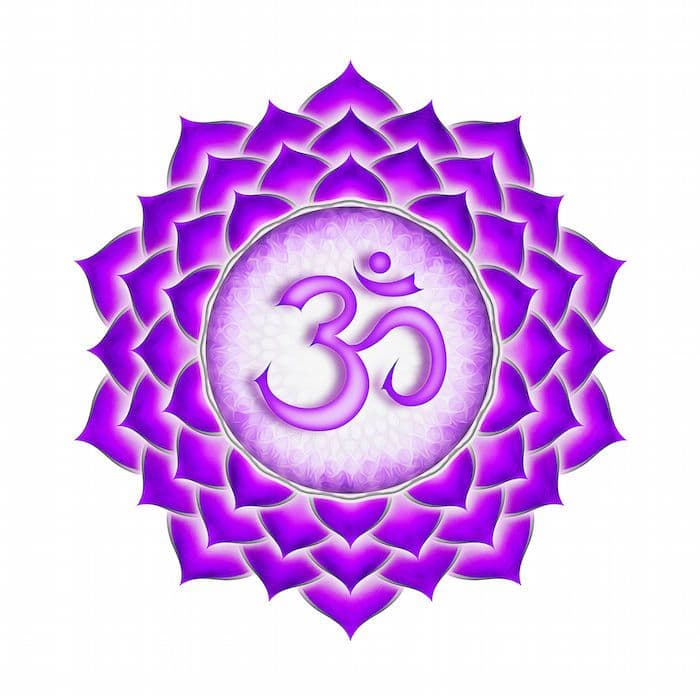
7. Crown Chakra (Sahasrara)
- Location: Top of the head
- Color: Violet or white
- Element: Divine consciousness
- Mantra: "I understand"
The crown chakra is the gateway to spiritual connection and enlightenment. It represents our connection to the divine, higher consciousness, and universal energy. When balanced, we feel a deep sense of peace, unity, and understanding of our place in the universe. An imbalance can lead to feelings of isolation or spiritual disconnection.
Ways to Balance: Meditation focused on spiritual growth, spending time in nature, and practicing mindfulness can help open the crown chakra. Cultivating a deeper connection to your higher self and the world around you also supports the balance of this energy center.
How Do You Recognize a Blocked Chakra?
In chakra teaching, a center counts as blocked when its life theme stays out of balance: lasting restlessness and fear about survival for the root chakra, the feeling of not being able to speak up for the throat chakra, withdrawal for the heart chakra. It is an image that helps you look more closely at where you are stuck, not a diagnosis. Physical or mental symptoms that persist belong with a doctor or therapist.
Balancing the Chakras: Yoga, Breath and Sound
Each chakra has its own practices, but three paths work on the whole system:
- Yoga: poses address specific regions of the body, standing poses the base, heart openers the chest. The quietest way is Yin Yoga, where you hold poses for several minutes. You will find a matching sequence in our Yin Yoga sequence for the chakras.
- Breath and meditation: breathing slowly and resting your attention on one region of the body is the classic chakra meditation. Five minutes a day is enough to start.
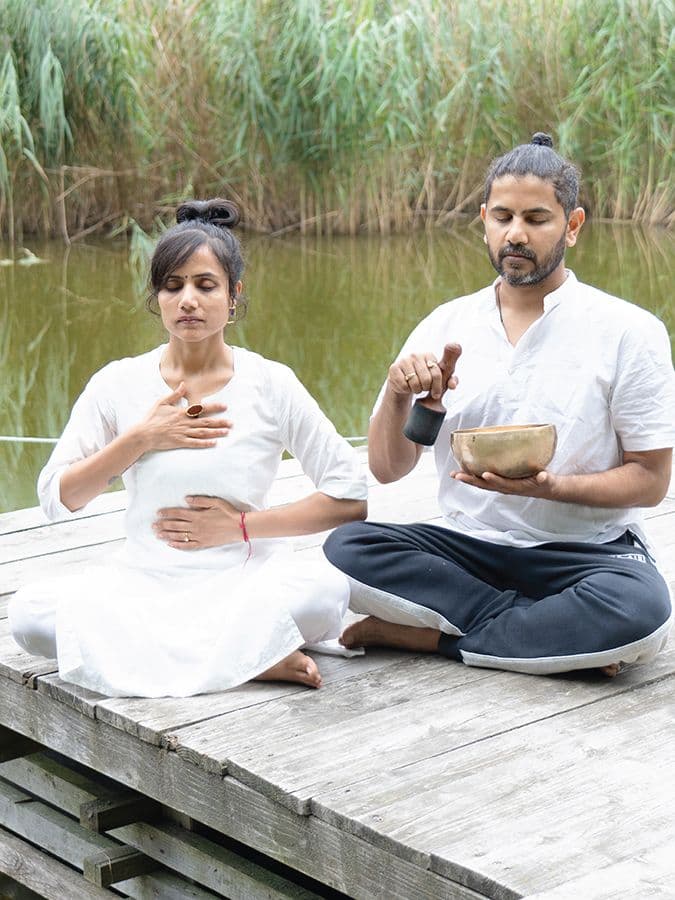
- Sound: each chakra is traditionally given a syllable, from LAM for the root chakra to OM for the third eye. Singing bowls and gongs work on the same principle. You can feel it in a sound healing session in Berlin.
Conclusion
Understanding the chakras and their significance in our energy system is key to cultivating harmony within ourselves. When the chakras are balanced, we experience physical, emotional, and spiritual well-being. By incorporating practices that support each chakra, such as meditation, yoga, and mindful activities, we can achieve a more balanced and fulfilling life.
If you’re interested in learning more about how to align your chakras and deepen your yoga practice, join us at our studio in Friedrichshain and Pberg for a class where we explore the mind-body connection through chakra-focused yoga.
FAQ: Chakras and Energy Centers
What is a chakra?
"Chakra" is Sanskrit for "wheel". In yogic tradition it refers to seven energy centers along the spine, each associated with a color, an element, a mantra and a specific area of life.
What are the mantras of the seven chakras?
From bottom to top: "I am" (Root), "I feel" (Sacral), "I do" (Solar Plexus), "I love" (Heart), "I speak" (Throat), "I see" (Third Eye) and "I understand" (Crown).
How do you open the throat chakra?
Through singing, chanting, journaling and speaking your truth without fear — clear, honest communication with yourself and others is considered the most direct path.
Which element belongs to each chakra?
Earth (Root), water (Sacral), fire (Solar Plexus), air (Heart), ether (Throat), light (Third Eye) and divine consciousness (Crown).
How many chakras are there?
The best-known teaching counts seven main chakras along the spine. Older texts name four, five, six or more centers depending on the school. Seven became the standard in modern yoga.
Are chakras scientifically proven?
No. Chakras are a traditional model from yoga philosophy and cannot be shown anatomically. What is well studied is the effect of the practices linked to them: yoga, breathing exercises and meditation can measurably lower stress.
To feel the chakras worked through sound directly, try a sound healing session in Berlin.