

22 January 2024 · YogicEscape Berlin
Tranquil Mind, Transformed Life: Unveiling the Transformative Power of Meditation
Introduction: In the hustle and bustle of modern life, where chaos often takes center stage, the transformative power of meditation emerges as a beacon of tranquility and self-discovery. More than a mere practice, meditation is a journey inward, offering profound benefits for the mind, body, and spirit.Body:Mindfulness Meditation: Cultivating Presence in the Present Mindfulness meditation, rooted in ancient contemplative traditions, invites us to embrace the present moment with open awareness. A
Meditation changes the brain in measurable ways: an eight-week study at Massachusetts General Hospital (Hölzel et al., 2011) found increased gray-matter density in the hippocampus — a region central to learning and emotion regulation — after mindfulness training. The practice itself is simple to start, and three well-tested paths cover most needs: mindfulness meditation (anchoring attention on the breath), loving-kindness meditation (systematically cultivating goodwill) and Transcendental Meditation (silently repeating a mantra for 15–20 minutes twice a day).
Introduction: In the hustle and bustle of modern life, where chaos often takes center stage, the transformative power of meditation emerges as a beacon of tranquility and self-discovery. More than a mere practice, meditation is a journey inward, offering profound benefits for the mind, body, and spirit.
Body:
Mindfulness Meditation: Cultivating Presence in the Present Mindfulness meditation, rooted in ancient contemplative traditions, invites us to embrace the present moment with open awareness. As Thich Nhat Hanh beautifully puts it, "Feelings come and go like clouds in a windy sky. Conscious breathing is my anchor." To embark on a mindfulness meditation journey, follow these steps:
- Find a quiet space: Choose a peaceful environment free from distractions.
- Comfortable posture: Sit comfortably, either on a chair or cushion, with a straight spine.
- Focus on the breath: Direct your attention to the natural rhythm of your breath.
- Non-judgmental awareness: Allow thoughts to come and go without judgment, gently redirecting focus to the breath

Loving-Kindness Meditation: Nurturing Compassion Within Loving-kindness meditation, rooted in the Buddhist tradition, cultivates feelings of compassion and goodwill towards oneself and others. Sharon Salzberg encapsulates its essence: "Loving-kindness towards ourselves doesn't mean getting rid of anything. It means we can still be crazy after all these years." To practice loving-kindness meditation:
- Begin with self-compassion: Focus on sending well-wishes to yourself for happiness and peace.
- Expand to others: Gradually extend those wishes to loved ones, acquaintances, and even those you may find challenging.
- Radiate compassion: Visualize a sphere of loving-kindness enveloping yourself and others.
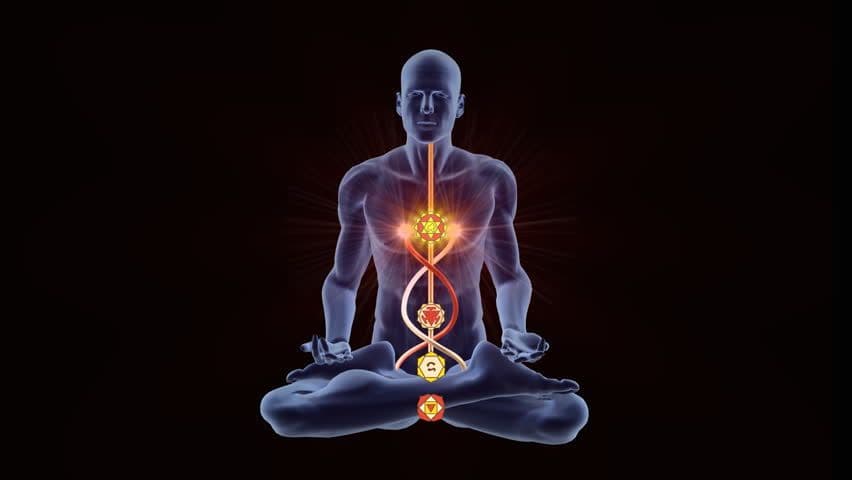
Transcendental Meditation: Journeying Beyond the Surface Transcendental Meditation (TM), popularized by Maharishi Mahesh Yogi, invites practitioners to access a transcendent state of awareness. Norman E. Rosenthal describes it as "a vehicle to carry you from a noisy, restless, surface level of mental activity to a quiet, settled, and silent center." To embark on Transcendental Meditation:
- Choose a mantra: Select a simple, personally assigned mantra.
- Sit comfortably: Close your eyes and sit with a straight spine in a comfortable position.
- Repeat the mantra: Silently repeat the mantra, allowing the mind to settle into a state of restful awareness.
- Practice regularly: Engage in this practice for 15-20 minutes, twice daily.

Conclusion: Meditation, in its diverse forms, serves as a transformative gateway to inner peace and self-discovery. Whether through mindfulness, loving-kindness, or transcendental meditation, the journey inward offers solace, resilience, and a profound connection to the essence of our being.
As you embark on your meditation journey, remember that each practice is a unique expression of your personal exploration. The transformative power lies not only in the destination but in the journey itself – a journey that unfolds with every breath, fostering a tranquil mind and a transformed life.
References:
- Hanh, Thich Nhat. "The Miracle of Mindfulness."
- Salzberg, Sharon. "Loving-Kindness: The Revolutionary Art of Happiness."
- Rosenthal, Norman E. "Transcendence: Healing and Transformation through Transcendental Meditation."
What the Research Says
An eight-week study at Harvard-affiliated Massachusetts General Hospital (Hölzel et al., 2011, Psychiatry Research) found measurable increases in gray-matter density in the hippocampus — a region central to learning and emotion regulation — after mindfulness training.
FAQ: Meditation
What are the main types of meditation?
Three widely practiced forms are mindfulness meditation (open, non-judgmental awareness anchored in the breath), loving-kindness meditation (directing goodwill first to yourself, then outward to others) and Transcendental Meditation (silent repetition of a personally assigned mantra).
How long should I meditate each day?
Transcendental Meditation is traditionally practiced for 15–20 minutes twice daily. For mindfulness or loving-kindness practice, start with a few quiet minutes in an upright, comfortable posture and lengthen the sittings as the habit takes hold.
How do I practice loving-kindness meditation?
Begin with yourself: silently send wishes for happiness and peace. Then extend those wishes step by step to loved ones, acquaintances and finally to people you find difficult, visualizing a sphere of goodwill that includes them all.
What is the difference between mindfulness and Transcendental Meditation?
Mindfulness meditation trains open awareness — thoughts come and go while you return attention to the breath without judgment. Transcendental Meditation uses a mantra to settle the mind into a quiet, restful state; it is practiced seated, with eyes closed, twice a day.
For a guided way into that stillness, try a sound bath in Berlin.