
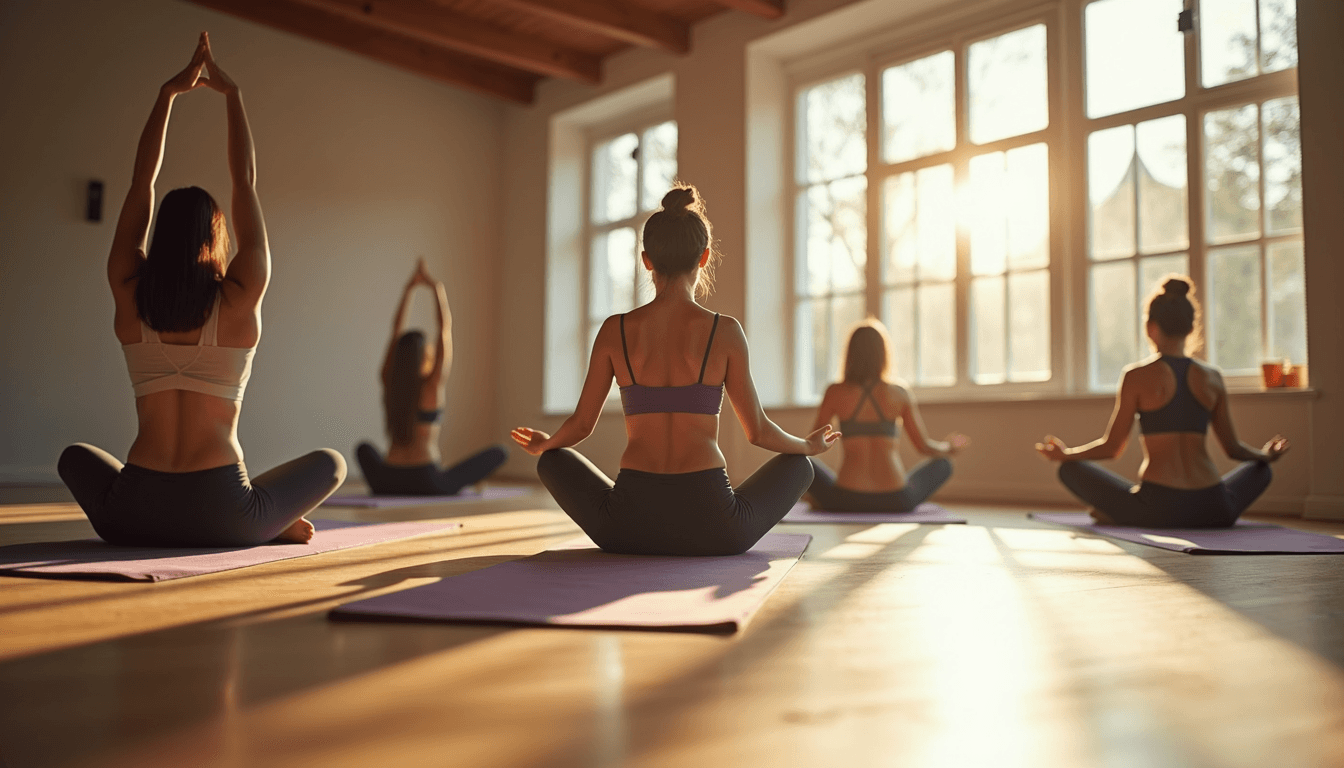
30 April 2025 · YogicEscape Berlin
Mindful Yoga Practices for Everyday Life
Discover mindful yoga techniques to enhance your daily routine. Learn how mindful yoga brings balance and peace into your life.
Mindful yoga pairs slow, deliberate movement with non-judgmental attention to breath and body — and its effects are measurable: researchers at Boston University School of Medicine recorded a 27% increase in GABA, the brain's main calming neurotransmitter, after a single 60-minute yoga session. Hatha, Restorative and Yin are the styles best suited to mindfulness, and five to ten minutes a day is enough to start.
Practicing yoga is more than just a sequence of poses; it is an invitation to live more mindfully. In today's fast-paced world, the significance of living in the moment is paramount. Many have discovered that yoga offers a pathway not only to physical wellness but also to emotional and mental clarity. This blog will delve into the vast benefits of practicing yoga for a mindful life, exploring its effects on stress reduction, mental health, and overall well-being.
The Role of Mindful Yoga in Everyday Life
Mindful yoga integrates traditional yoga practices with mindfulness techniques. This combination prompts practitioners to focus on their breath, body sensations, and thoughts without judgment. Through regular practice, individuals can train their minds to become more aware, cultivating a state of presence that carries over into daily life.
Studies have shown that individuals who practice mindful yoga report lower levels of stress and anxiety. A 2016 study published in the Journal of Behavioral Medicine revealed that just 15 minutes of mindful yoga can significantly enhance mood and reduce tension. Moreover, practitioners often find enhanced concentration and productivity in their daily tasks, as mindfulness allows them to react to challenges more calmly and thoughtfully.
The Mental Health Benefits of Yoga
Mental health is a growing concern in our modern society. According to the World Health Organization, more than 264 million people globally suffer from depression. Yoga has emerged as a valuable tool in combating mental health issues. Research indicates that incorporating yoga into one’s routine can alleviate symptoms of anxiety, depression, and PTSD.
One of the key components of yoga that supports mental health is its focus on breathing techniques. Controlled breathing, or pranayama, helps to regulate the nervous system and can create a sense of serenity. Yoga also encourages self-compassion, encouraging individuals to be kind to themselves. This practice fosters a healthier self-image and the understanding that everyone experiences struggles.

What is the Best Yoga for Mindfulness?
When considering which style of yoga is best for fostering mindfulness, several options stand out. Hatha yoga, known for its gentle approach and focus on alignment, is a great starting point for beginners. It encompasses both physical and mental aspects, making it conducive to mindfulness.
Another excellent option is Restorative yoga, which emphasizes relaxation and healing. It often incorporates props, allowing the body to rest deeply and release tension. This style aids in slowing down the mind and immersing oneself in the present moment.
Lastly, Yin yoga promotes stillness and meditation through extended poses. Practicing Yin yoga requires practitioners to hold poses for several minutes, creating an introspective environment ideal for mindfulness.
Incorporating any of these styles into your routine can enhance your mindfulness practice and promote a deeper connection with your body and mind.
How Yoga Enhances Emotional Regulation
Yoga encourages greater awareness of emotions. Through gentle movement and mindful breathing, practitioners become more in tune with their feelings. This heightened consciousness enables individuals to recognize emotional triggers and learn healthier ways to respond to them.
For example, during a stressful day, a brief yoga session can offer an emotional reset. Techniques such as deep breathing and focused stretching help ground the mind and body, providing clarity and reducing impulsive reactions. Over time, practitioners cultivate emotional resilience while developing coping strategies that allow them to navigate difficult feelings with grace.
Moreover, yoga teaches the importance of acceptance. By acknowledging emotions without judgment, practitioners can foster self-awareness and a greater understanding of their emotional needs. This acceptance translates into everyday interactions, improving personal and professional relationships.
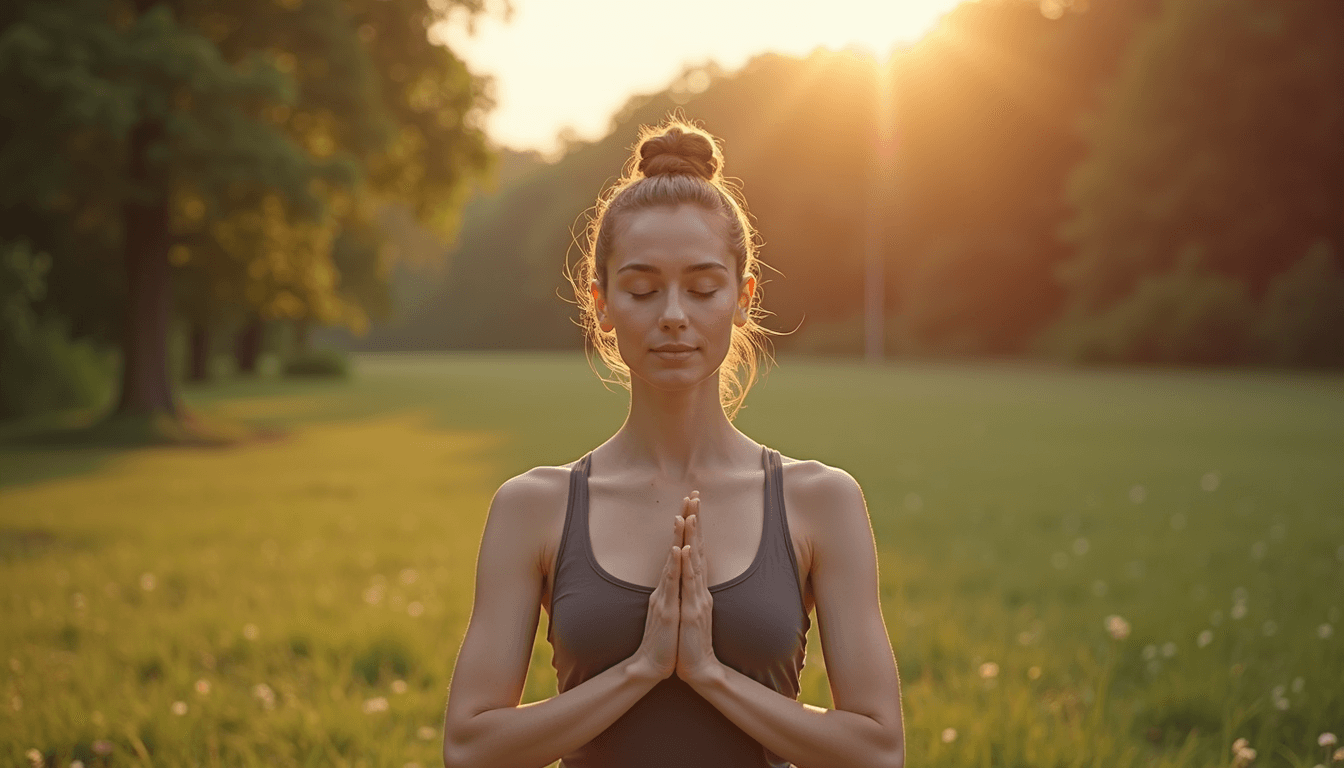
Practical Tips for Incorporating Yoga into Your Daily Routine
Integrating yoga into your daily life doesn’t have to be a daunting task. Here are some practical tips to make yoga a seamless part of your routine:
- Start Small: Begin with just five to ten minutes of yoga each day. Gradually increase the duration as you get comfortable with the practice.
- Set a Regular Time: Designate a specific time each day for your yoga practice. This consistency helps develop a habit.
- Create a Dedicated Space: Having a designated area for your yoga practice can enhance focus and reduce distractions. Keep it minimal and peaceful.
- Download a Yoga App: Several apps offer guided sessions ranging from beginner to advanced levels. This can be an excellent resource if you prefer structured classes.
- Join a Class: Local yoga studios often provide classes tailored to various levels. Attending a class can motivate you and connect you with like-minded individuals.
- Incorporate Mindfulness Moments: Throughout your day, take moments to observe your breath or practice gratitude. These mini 'yoga' breaks can enhance your overall mindfulness.
By incorporating these tips, you'll not only improve your yoga practice but also enhance your life with mindfulness.
Embracing a Mindful Life through Yoga
The journey towards a mindful life through yoga is deeply personal and rewarding. Practicing yoga regularly promotes physical health while clearing mental clutter. As you dive deeper into your practice, you’ll likely notice significant changes—not just within your sessions, but in your overall lifestyle.
Beyond stress relief, many practitioners report improved quality of sleep, enhanced creativity, and a sense of community and belonging. When you embrace the principles of mindfulness yoga, you empower yourself to achieve balance and peace in an often chaotic world.
As you embark on this journey, remember to be patient and compassionate with yourself. The practice of yoga is not about perfection; it is about progress. Each session on your mat is a stepping stone towards a more mindful and fulfilled life.
Ultimately, by inviting yoga into your daily existence, you may discover new layers of joy and presence, enriching your life in unexpected ways.
Explore more about mindfulness yoga and how it can transform your approach to life.
What the Research Says
Researchers at Boston University School of Medicine (Streeter et al.) measured a 27% increase in GABA — the brain's main calming neurotransmitter — after a single 60-minute yoga session.
A 2017 meta-analysis in Psychoneuroendocrinology (Pascoe et al.) found that yoga practice measurably lowers physiological stress markers, including cortisol, blood pressure and resting heart rate.
An eight-week study at Harvard-affiliated Massachusetts General Hospital (Hölzel et al., 2011, Psychiatry Research) found measurable increases in gray-matter density in the hippocampus — a region central to learning and emotion regulation — after mindfulness training.
FAQ: Mindful Yoga
Which yoga style is best for mindfulness?
Hatha is the classic starting point: gentle, alignment-focused and slow enough to stay with the breath. Restorative yoga uses props for deep rest, and Yin yoga holds poses for several minutes — ideal for a quiet, introspective practice.
How many minutes of mindful yoga per day are enough?
Start with five to ten minutes daily and build up gradually. A fixed time each day and a dedicated, distraction-free corner matter more than long sessions.
Can mindful yoga help with anxiety or low mood?
Regular practitioners report lower stress and anxiety, and controlled breathing (pranayama) directly settles the nervous system. Yoga also trains self-compassion — treating yourself kindly instead of critically.
How does yoga improve emotional regulation?
By practising observing sensations and thoughts without judging them, you learn to spot emotional triggers earlier and respond calmly instead of reacting impulsively — on and off the mat.