
9 October 2023 · YogicEscape Berlin
Yoga for Emotional Healing: Releasing Trauma through Mindful Movement
The human experience is a complex tapestry of emotions, thoughts, and memories. We all carry within us the marks of our past experiences, and for some, these marks may manifest as emotional trauma. Trauma can result from a range of distressing events, whether recent or deeply ingrained in our history. These experiences can cast a shadow over our lives, hindering our ability to find peace, joy, and fulfillment.Yoga, an ancient practice steeped in tradition and wisdom, offers a holistic approach t
Emotional trauma lives in the body as much as in the mind — often as chronic tension, anxiety or pain. Yoga offers a body-based way to work with it: poses like Child's Pose, Pigeon, Bridge and Cat-Cow release the physical holding patterns that mirror emotional weight, while breathing practices such as alternate-nostril breathing and Bhramari settle the nervous system. The stress link is measurable — a 2017 meta-analysis (Pascoe et al.) found that yoga lowers physiological stress markers including cortisol, blood pressure and resting heart rate. Healing takes time; the practice gives you a safe, repeatable way to meet what surfaces.
The human experience is a complex tapestry of emotions, thoughts, and memories. We all carry within us the marks of our past experiences, and for some, these marks may manifest as emotional trauma. Trauma can result from a range of distressing events, whether recent or deeply ingrained in our history. These experiences can cast a shadow over our lives, hindering our ability to find peace, joy, and fulfillment.
Yoga, an ancient practice steeped in tradition and wisdom, offers a holistic approach to healing that goes beyond the physical realm. It provides a powerful avenue for emotional healing, encouraging us to confront and release the emotional imprints that weigh us down. In this blog post, we'll explore how yoga, through mindful movement and breath, can serve as a transformative tool for releasing trauma and nurturing emotional well-being.
Understanding Trauma and its Impact
Trauma can stem from a variety of sources such as accidents, loss, abuse, or significant life changes. It affects individuals differently, often leaving lasting scars that permeate not only the mind but also the body. Emotional trauma can disrupt our daily lives, causing anxiety, depression, chronic pain, and a myriad of other challenges. It is essential to recognize these scars, acknowledging their presence, and embarking on a healing journey.

Yoga as a Holistic Healing Practice
Yoga, an age-old practice that originated in India, is a discipline that seeks to harmonize the body, mind, and spirit. Beyond its reputation for improving flexibility and strength, yoga encompasses a vast array of techniques that facilitate holistic healing. Through postures (asanas), breathing exercises (pranayama), meditation, and mindfulness, yoga provides a profound means of connecting with our inner selves.
Yoga's therapeutic potential extends to emotional healing by offering a safe space for individuals to explore and process their emotions. Through mindful movement and breathwork, yoga encourages us to release the physical tension that mirrors our emotional burden. It promotes self-awareness, self-compassion, and the release of suppressed emotions that have taken residence in our bodies and minds.

Yoga Asanas for Emotional Healing
Child's Pose (Balasana): This comforting pose promotes introspection, encouraging us to surrender emotional baggage and find peace in the present moment.
Pigeon Pose (Eka Pada Rajakapotasana): By targeting the hips and pelvis, this pose allows us to release stored emotional tension, providing relief and a sense of emotional liberation.
Bridge Pose (Setu Bandhasana): By opening the heart and chest, this pose facilitates vulnerability and encourages the release of suppressed emotions, promoting emotional healing.
Cat-Cow Pose (Marjarasana): The gentle flow between these poses helps relieve stress, bringing attention to the breath and aiding emotional grounding.
Pranayama for Emotional Release
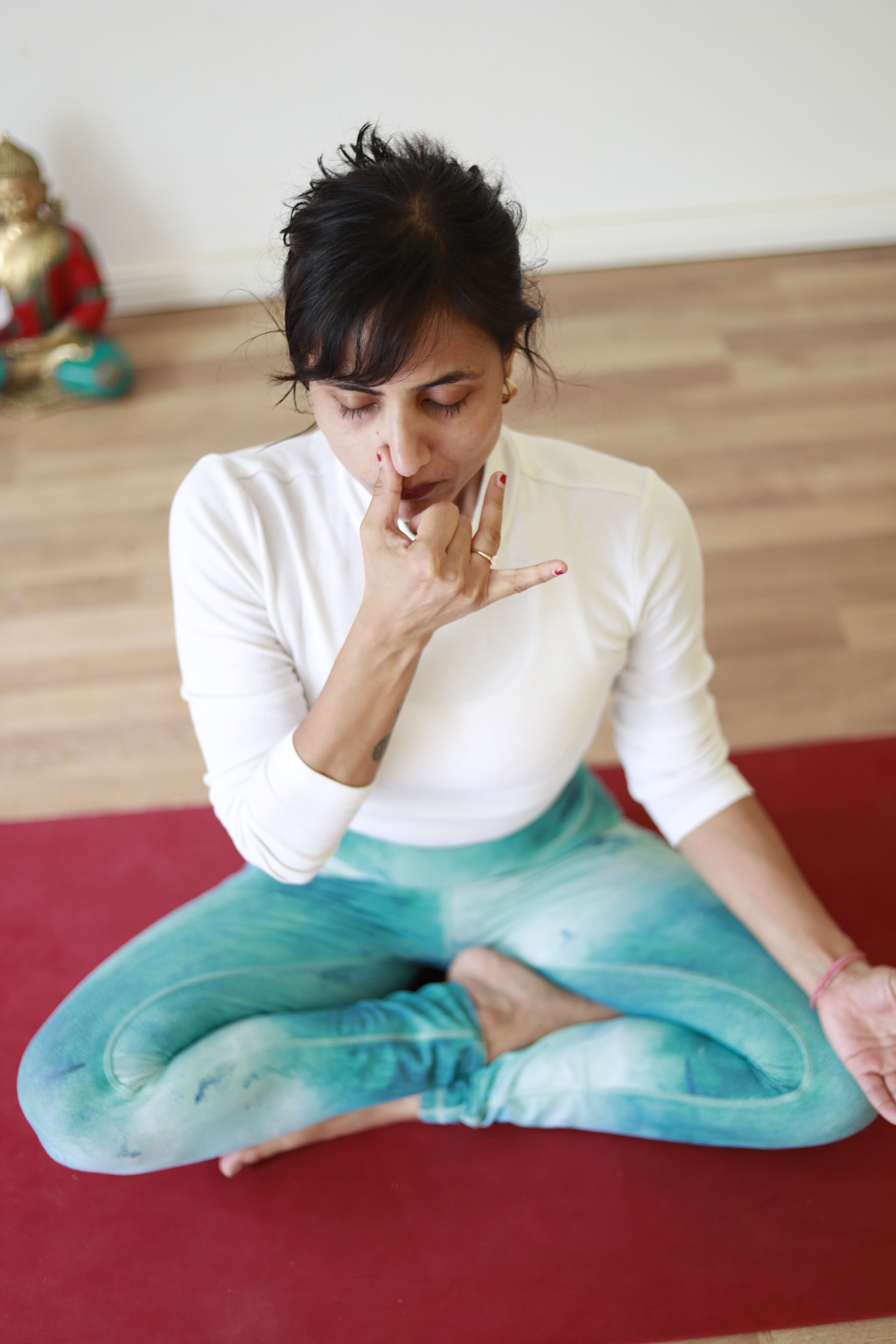
Anulom Vilom (Alternate Nostril Breathing): This technique balances the mind and reduces stress, creating a sense of emotional equilibrium.
Bhramari Pranayama (Bee Breath): By calming the mind and reducing anxiety, this breathing exercise supports emotional healing.
Yoga offers a profound pathway towards emotional healing, allowing us to confront our trauma with compassion and mindful movement. It is a journey of self-discovery, self-acceptance, and ultimately, self-healing. Through yoga, we can release the burdens that no longer serve us, embracing a life of emotional wellness and harmony. Remember, healing takes time and patience; be gentle with yourself and allow yoga to guide you on this transformative journey towards emotional healing and inner peace.
Begin your emotional healing journey. Join our classes by clicking here
What the Research Says
Researchers at Boston University School of Medicine (Streeter et al.) measured a 27% increase in GABA — the brain's main calming neurotransmitter — after a single 60-minute yoga session.
A 2017 meta-analysis in Psychoneuroendocrinology (Pascoe et al.) found that yoga practice measurably lowers physiological stress markers, including cortisol, blood pressure and resting heart rate.
FAQ: Yoga and Trauma Release
Which yoga poses help release stored emotions?
Child's Pose (Balasana) invites surrender and introspection, Pigeon Pose targets the hips and pelvis where tension collects, Bridge Pose opens the chest and heart, and Cat-Cow grounds you through breath-led movement. Together they address the areas where emotional strain typically settles in the body.
Why are hip-opening poses linked to emotional release?
The hips and pelvis are a common storage site for the physical tension that builds under emotional stress. Poses like Pigeon stretch this area slowly and gently — and as the body lets go, an emotional release often follows.
Can breathing exercises help with trauma?
Yes — alternate-nostril breathing (Anulom Vilom) balances the mind and reduces stress, and Bhramari, the humming bee breath, calms anxiety. Both give the nervous system a direct lever toward regulation.
Can yoga replace trauma therapy?
No — yoga is a complement, not a substitute for professional treatment. It supports healing by building self-awareness and releasing physical tension, but serious trauma is best worked through with a qualified therapist alongside your practice.