
22 November 2023 · YogicEscape Berlin
Chakras and Yoga: Balancing Your Energy Centers
In the serene realm of yoga and holistic well-being, the concept of chakras is a fascinating and profound one. Chakras are believed to be spinning energy centers within the body, each influencing various aspects of our physical, emotional, and spiritual well-being. This blog will explore the intricate relationship between chakras and yoga, shedding light on how this ancient practice can help balance and align these vital energy centers.The Chakra System: A Brief OverviewChakras, derived from the
The chakra system describes seven energy centers along the spine — from the root chakra at its base to the crown of the head — each linked to a theme such as stability, creativity, confidence, love, communication, intuition or consciousness. Yoga gives each one a matching practice: grounding standing poses for the root, hip openers for the sacral, core work for the solar plexus, backbends for the heart, neck and shoulder openers for the throat, balancing poses for the third eye, and meditation for the crown.
In the serene realm of yoga and holistic well-being, the concept of chakras is a fascinating and profound one. Chakras are believed to be spinning energy centers within the body, each influencing various aspects of our physical, emotional, and spiritual well-being. This blog will explore the intricate relationship between chakras and yoga, shedding light on how this ancient practice can help balance and align these vital energy centers.
The Chakra System: A Brief Overview
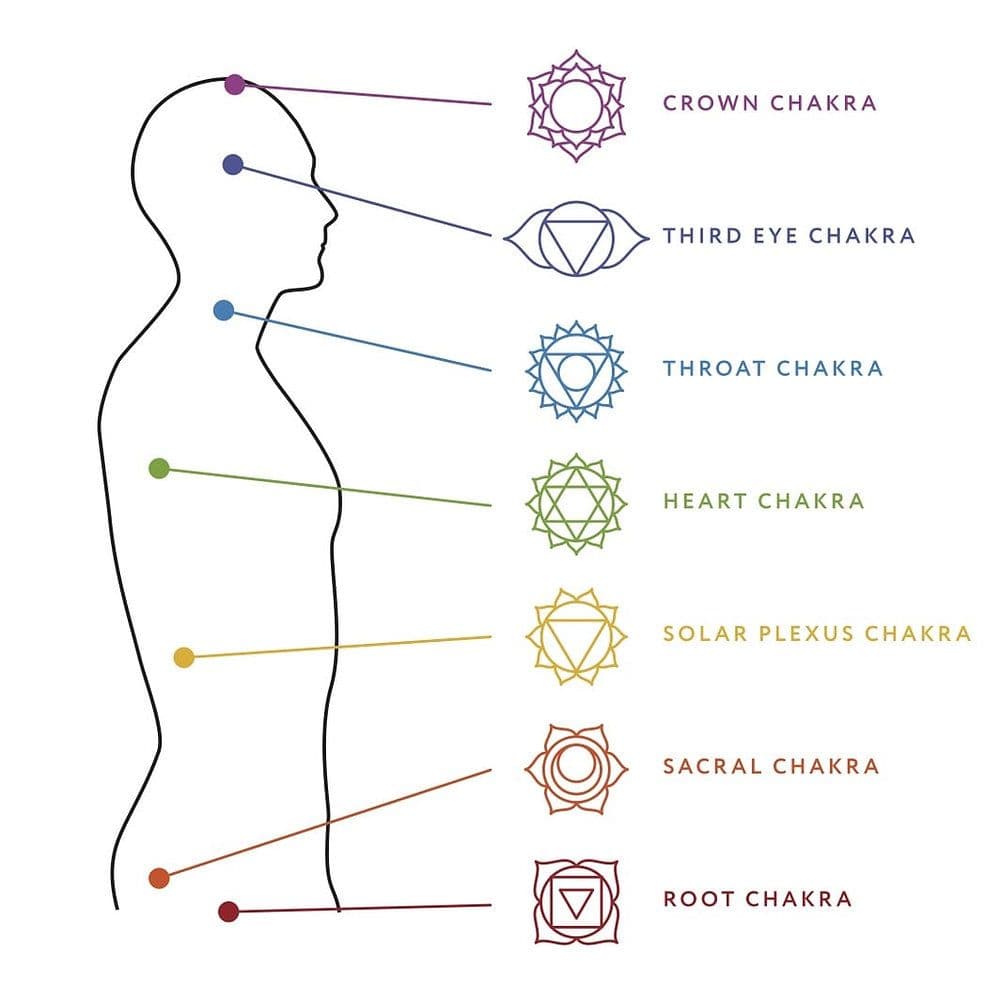
Chakras, derived from the Sanskrit word for "wheel," are seven major energy centers located along the spine, from the base to the crown of the head. Each chakra is associated with specific physical, emotional, and spiritual aspects of our being:
Root Chakra (Muladhara): Located at the base of the spine, this chakra is associated with stability, grounding, and survival instincts.
Sacral Chakra (Svadhisthana): Positioned in the lower abdomen, it relates to emotions, creativity, and sensuality.
Solar Plexus Chakra (Manipura): Situated in the upper abdomen, this chakra governs personal power, self-esteem, and confidence.
Heart Chakra (Anahata): Found in the center of the chest, it pertains to love, compassion, and connection.
Throat Chakra (Vishuddha): Located at the throat, this chakra is associated with communication, self-expression, and authenticity.
Third Eye Chakra (Ajna): Positioned between the eyebrows, it relates to intuition, insight, and inner wisdom.
Crown Chakra (Sahasrara): Situated at the crown of the head, it is connected to spiritual enlightenment, oneness, and higher consciousness.
The Link Between Chakras and Yoga
Yoga, a practice that encompasses physical postures (asanas), breathing techniques (pranayama), and meditation, is a powerful tool for balancing and harmonizing the chakras. Here's how each chakra relates to specific yoga practices:
Root Chakra (Muladhara): Grounding yoga poses like Tadasana (Mountain Pose) and Virabhadrasana I (Warrior I) help connect to the earth and instill a sense of stability and security.
Sacral Chakra (Svadhisthana): Hip-opening poses such as Baddha Konasana (Butterfly Pose) and Eka Pada Rajakapotasana (Pigeon Pose) encourage the flow of creative energy.
Solar Plexus Chakra (Manipura): Poses that engage the core, like Navasana (Boat Pose) and Utkatasana (Chair Pose), enhance self-esteem and personal power.
Heart Chakra (Anahata): Heart-opening poses such as Urdhva Dhanurasana (Upward Bow Pose) and Bhujangasana (Cobra Pose) help cultivate love and compassion.
Throat Chakra (Vishuddha): Neck stretches and shoulder-opening poses like Halasana (Plow Pose) and Matsyasana (Fish Pose) aid in clear communication.
Third Eye Chakra (Ajna): Balancing poses, such as Vrikshasana (Tree Pose) and Ardha Pincha Mayurasana (Dolphin Pose), enhance intuition and insight.
Crown Chakra (Sahasrara): Meditation and Savasana (Corpse Pose) help elevate consciousness and spiritual awareness.
Balancing Your Chakras Through Yoga
Balancing your chakras through yoga is an intentional process. Here's a step-by-step guide to get you started:
Awareness: Begin by understanding the chakra system and identifying any imbalances you may have in your life.
Intention: Set an intention for your practice. Focus on which chakra you wish to balance and harmonize.
Asana: Incorporate yoga poses that correspond to the chakra you want to work on. Concentrate on performing these poses mindfully.
Breath: Combine your asana practice with pranayama techniques to further activate and balance your chakras.
Meditation: End your practice with meditation to connect with the energy of the chakra you're focusing on. Visualize the chakra spinning in vibrant health.

In Conclusion
Chakras and yoga are like two puzzle pieces that fit perfectly together. By combining the ancient wisdom of the chakra system with the physical and spiritual practices of yoga, you can embark on a transformative journey to balance your energy centers. As you dive deeper into this harmonious relationship, you'll not only enhance your physical well-being but also experience emotional and spiritual growth, fostering a sense of wholeness and equilibrium in your life.
FAQ: Chakras & Yoga
What does 'chakra' actually mean?
Chakra is Sanskrit for 'wheel'. The tradition describes seven spinning energy centers along the spine, each associated with specific physical, emotional and spiritual aspects of our being.
Where are the seven chakras located?
Along the spine: root (base of the spine), sacral (lower abdomen), solar plexus (upper abdomen), heart (center of the chest), throat, third eye (between the eyebrows) and crown (top of the head).
Which yoga poses balance which chakra?
Grounding poses like Mountain and Warrior I address the root chakra; hip openers like Butterfly and Pigeon the sacral; core poses like Boat and Chair the solar plexus; backbends like Cobra the heart; Plow and Fish the throat; balancing poses like Tree the third eye; meditation and Savasana the crown.
How do I start a chakra-focused yoga practice?
In five steps: learn the chakra system and notice where you feel out of balance, set an intention for one center, practice its corresponding asanas mindfully, add pranayama, and close with a meditation visualizing that chakra.