
15 October 2024 · YogicEscape Berlin
5 Powerful Ways Meditation Enhances Your Yoga Practice
Yoga and meditation often go hand in hand, but did you know that meditation can significantly enhance your yoga practice? While yoga strengthens and stretches the body, meditation focuses on centering the mind and spirit. When integrated into your routine, meditation deepens your connection to yoga in profound ways. Here are five powerful ways that meditation can make you better at yoga:1. Improved Focus and AwarenessYoga is a practice of mindful movement, where your awareness shifts inward to c
Meditation trains the exact skills yoga asks of you: steady attention, conscious breathing, and fine-grained body awareness. Practitioners who meditate regularly notice alignment cues sooner, hold balancing poses with less wobble, and stay calm through long or demanding sequences. Researchers at Boston University School of Medicine (Streeter et al.) measured a 27% increase in GABA — the brain's main calming neurotransmitter — after a single 60-minute yoga session.
Yoga and meditation often go hand in hand, but did you know that meditation can significantly enhance your yoga practice? While yoga strengthens and stretches the body, meditation focuses on centering the mind and spirit. When integrated into your routine, meditation deepens your connection to yoga in profound ways. Here are five powerful ways that meditation can make you better at yoga:
1. Improved Focus and Awareness
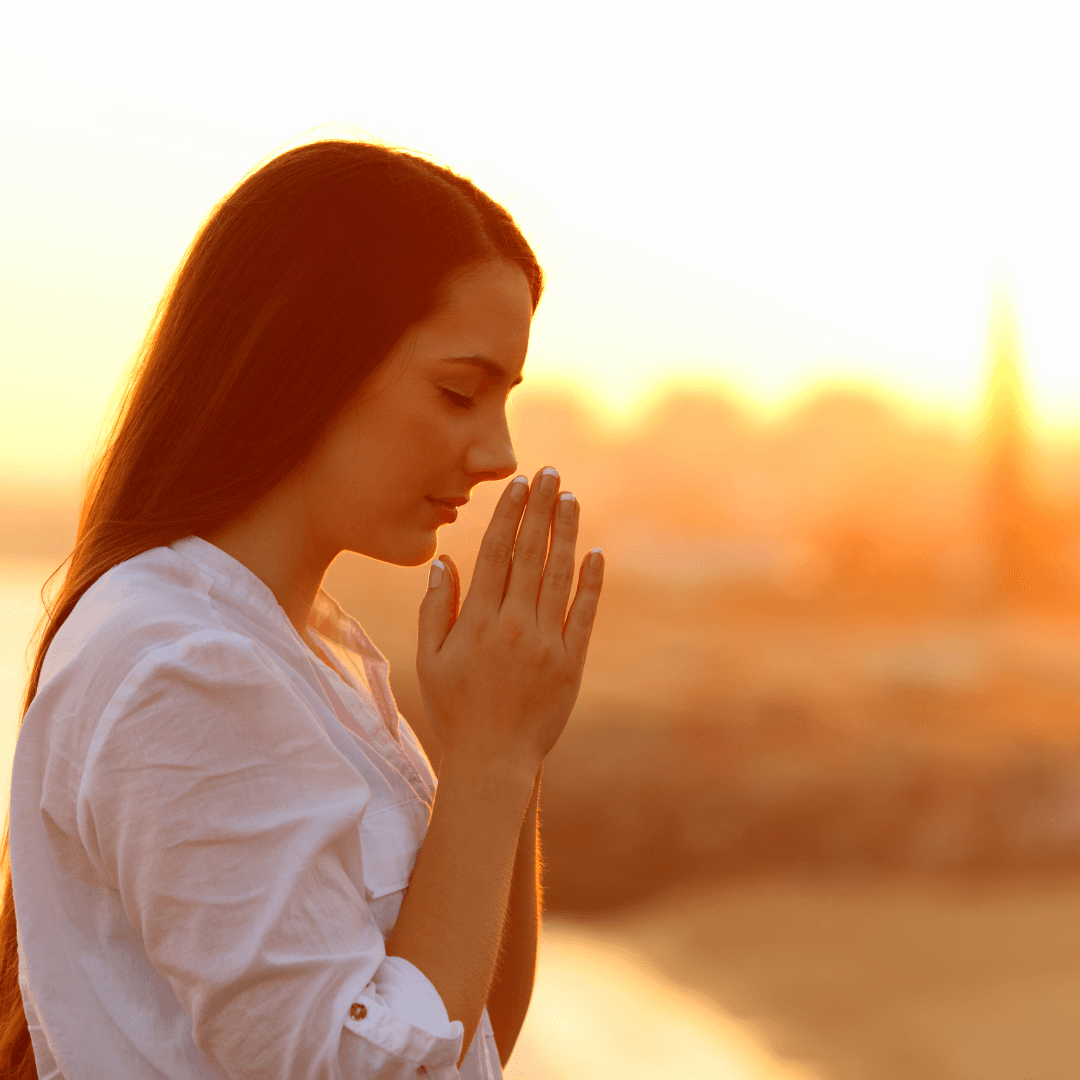
Yoga is a practice of mindful movement, where your awareness shifts inward to connect body, mind, and breath. Meditation trains the mind to become still and focused. This increased mental clarity helps you stay present during yoga, allowing you to move through asanas (poses) with greater attention. By meditating regularly, you build a sharper focus that enables you to notice subtleties in your body alignment, breath, and energy flow, making your yoga practice more intentional and effective.
In every yoga class, distractions are inevitable. A wandering mind, external sounds, or even thoughts about your day can take you out of the moment. Meditation equips you with the tools to gently bring your awareness back, helping you stay anchored in your practice. Over time, this heightened focus also enhances your ability to sustain challenging poses or flows with greater ease and balance.
2. Deeper Connection to Breath
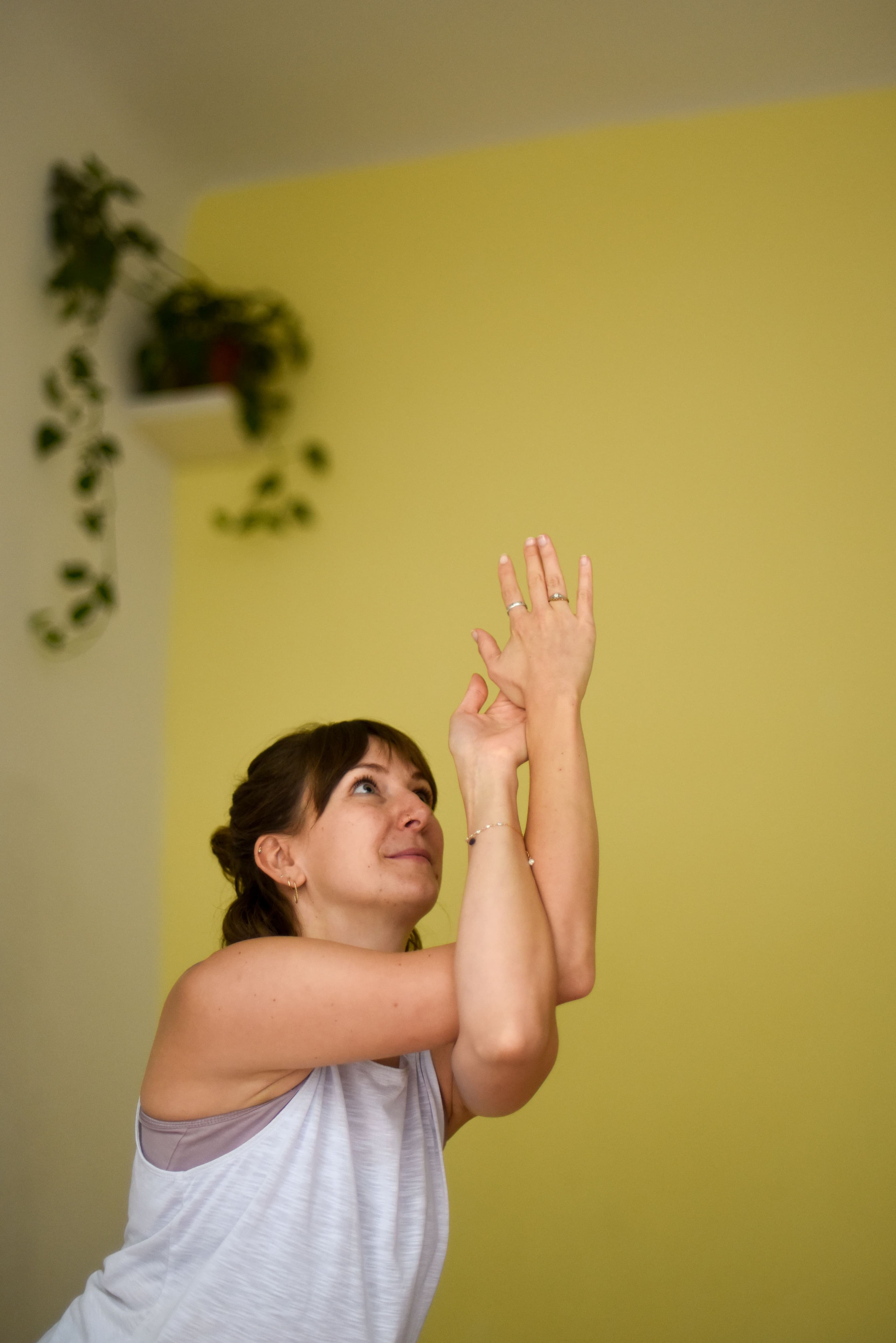
Pranayama, or breath control, is an essential part of yoga, and meditation deepens your relationship with your breath. Through meditation, you become more conscious of how you breathe and how your breath influences your physical and emotional states. When you meditate, you practice observing and regulating your breath, which directly translates to yoga.
Incorporating meditative breathing into your yoga practice helps you move more fluidly, especially in transitions between poses. Deep, controlled breathing helps regulate your nervous system, reducing stress and tension in both your mind and muscles. This makes it easier to relax into postures and hold them for longer without feeling overwhelmed.
3. Enhanced Body Awareness
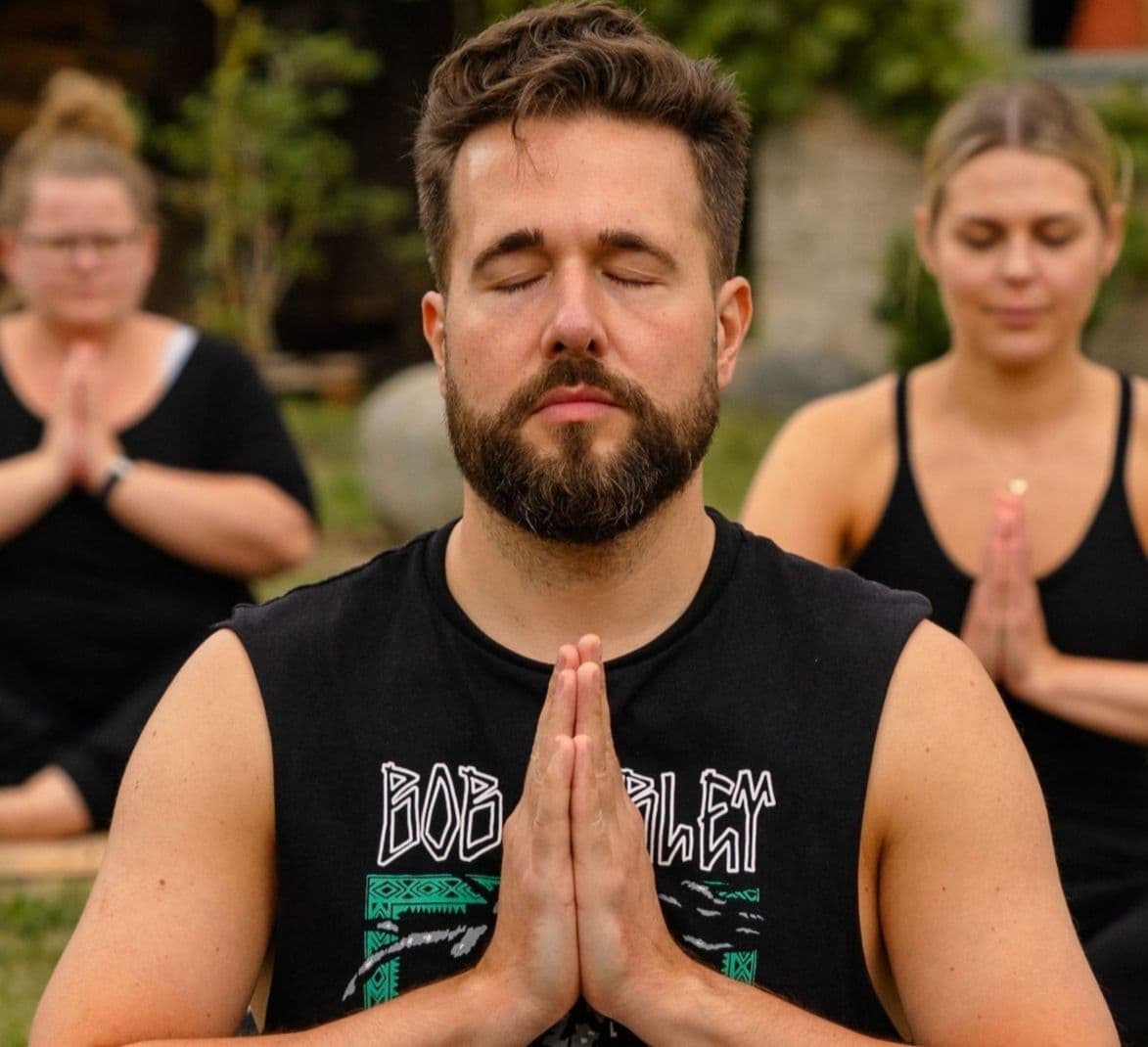
Meditation allows you to cultivate a deeper understanding of your body by tuning into subtle sensations that you might overlook during your daily life. As you meditate, you learn to observe without judgment, feeling physical sensations, emotions, and energy shifts as they arise. This heightened awareness is vital in yoga.
In your yoga practice, enhanced body awareness helps you notice the areas where you might be holding tension or where your alignment could improve. Meditation makes it easier to detect the nuances in how your body responds to each pose, helping you adjust accordingly for a more mindful and aligned practice. The result is greater fluidity and balance on the mat.
4. Increased Patience and Resilience
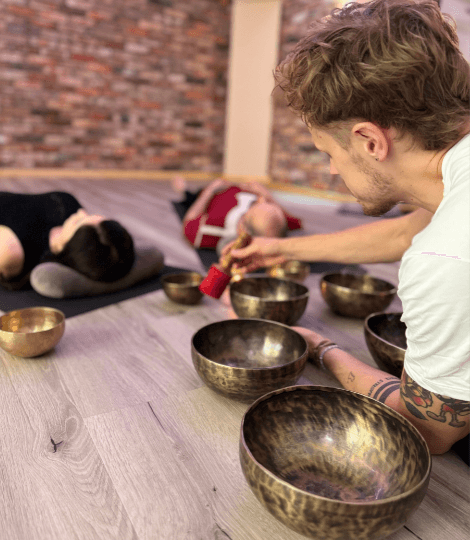
Yoga requires both mental and physical resilience, especially when holding difficult poses or enduring a long sequence. Meditation cultivates patience by teaching you to observe and accept things as they are in the present moment. This mindset naturally transfers to your yoga practice, where patience can help you navigate discomfort in challenging poses without rushing or forcing the body.
Through regular meditation, you develop emotional resilience, allowing you to maintain a calm and centered state even when faced with physical difficulty or mental restlessness. This resilience enhances your ability to stay present in each pose, embrace the process, and let go of expectations. It also encourages you to approach yoga as a journey, not a destination, leading to a more sustainable and enjoyable practice.
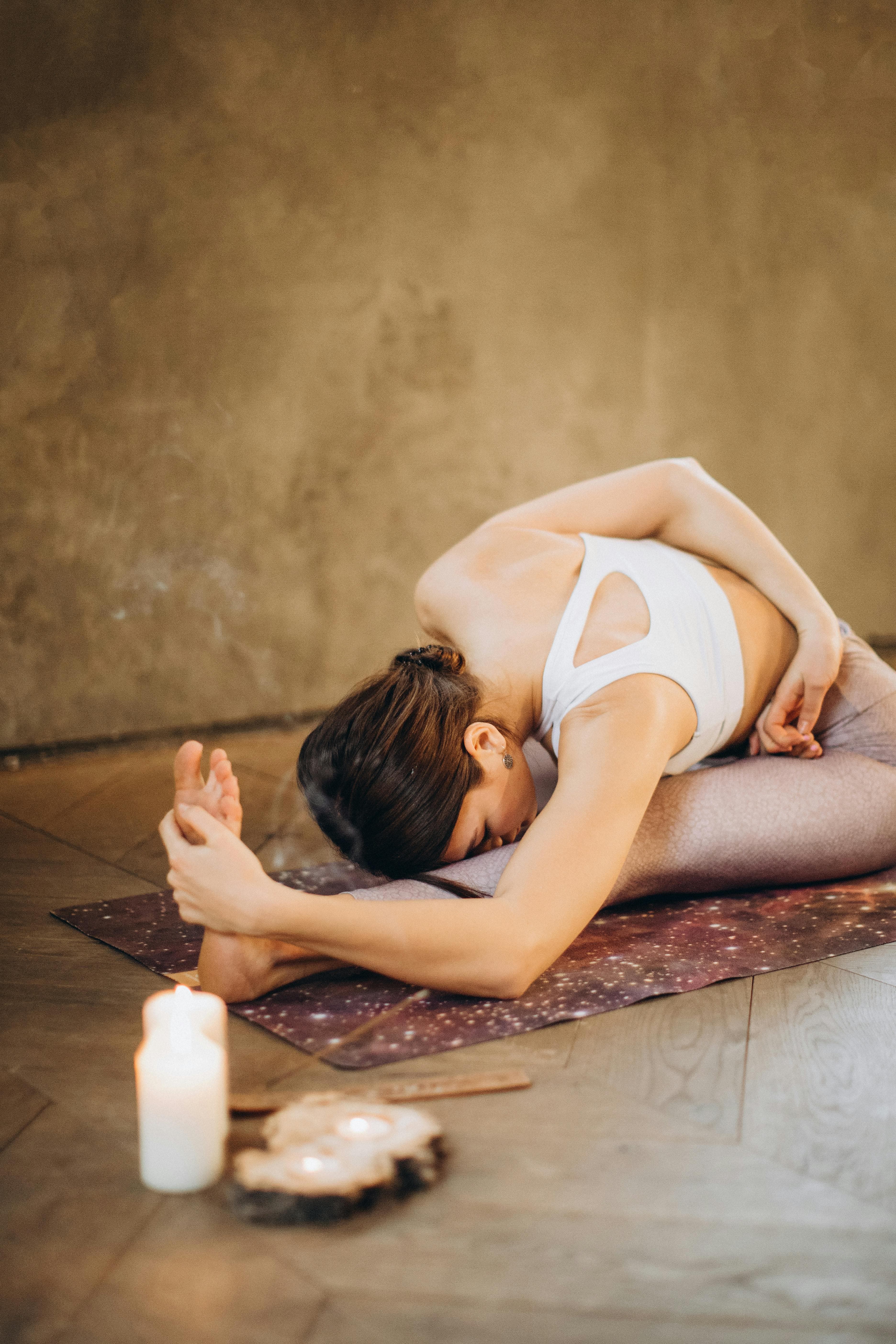
5. Better Stress Management
Yoga is often used as a way to manage stress, but when paired with meditation, the benefits are amplified. Meditation helps reduce stress by calming the nervous system, promoting relaxation, and cultivating a sense of peace. When you regularly practice meditation, your body becomes better at handling stress both on and off the mat.
In yoga, this means you're less likely to tense up in difficult poses, allowing you to approach challenges with more calm and control. Meditation’s stress-reducing effects also make your yoga sessions feel more restorative, as your mind is quieter and more centered, leaving you feeling refreshed and recharged after each practice.
Conclusion
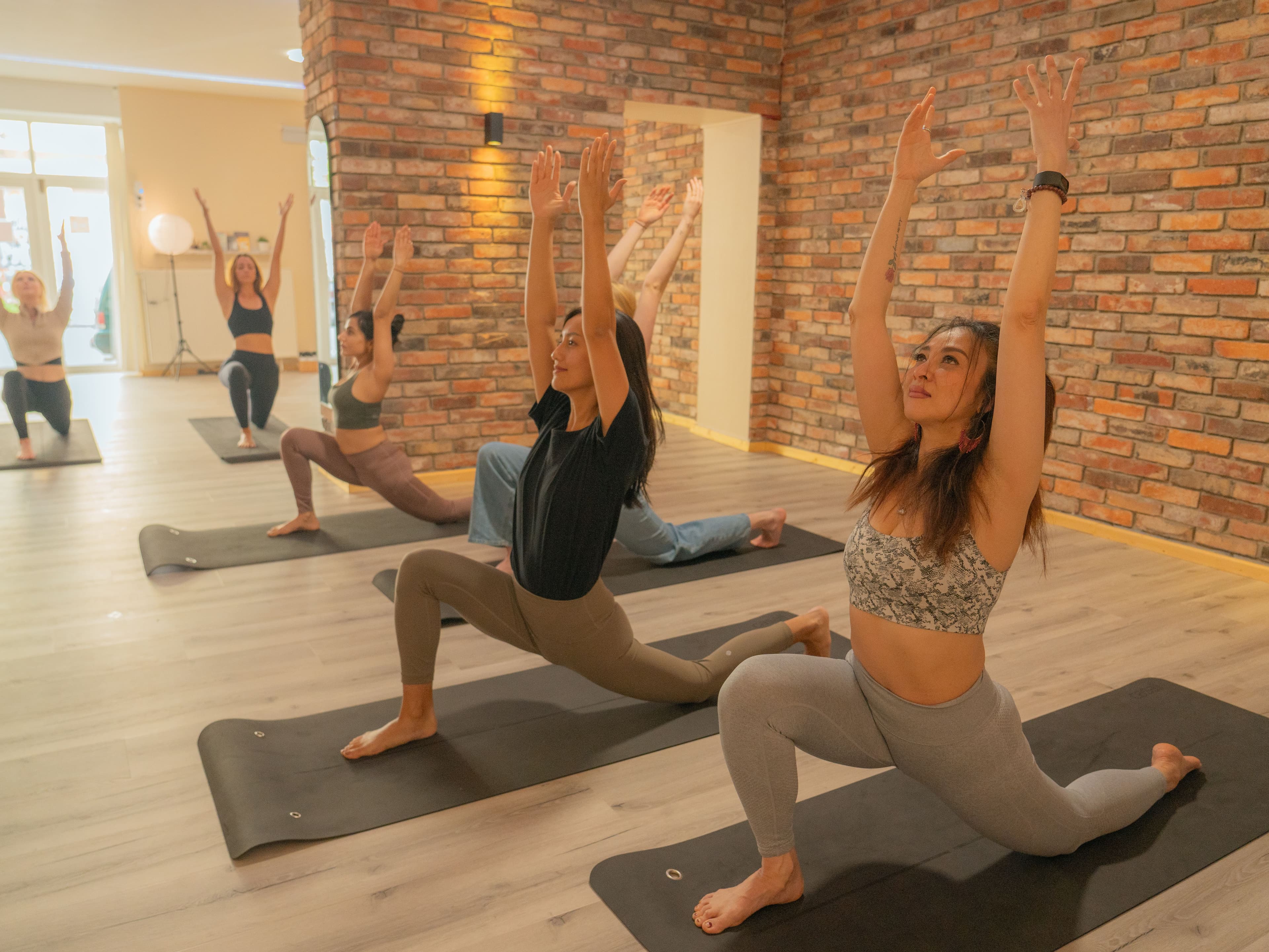
Meditation is a powerful tool that can transform your yoga practice from the inside out. By improving focus, deepening your connection to breath, increasing body awareness, cultivating patience, and reducing stress, meditation helps you move through each yoga class with more mindfulness and ease. Whether you're new to yoga in berlin or a seasoned practitioner, integrating meditation into your routine can lead to deeper, more fulfilling sessions on the mat.
If you're looking to strengthen the bond between your yoga practice and meditation, we invite you to join us at our studio in berlin here at Friedrichshain and Pberg. Experience firsthand how these two practices together can elevate your physical, mental, and spiritual well-being.
What the Research Says
An eight-week study at Harvard-affiliated Massachusetts General Hospital (Hölzel et al., 2011, Psychiatry Research) found measurable increases in gray-matter density in the hippocampus — a region central to learning and emotion regulation — after mindfulness training.
A 2017 meta-analysis in Psychoneuroendocrinology (Pascoe et al.) found that yoga practice measurably lowers physiological stress markers, including cortisol, blood pressure and resting heart rate.
FAQ: Meditation and Yoga
Does meditation actually make you better at yoga?
Yes, in concrete ways. Meditation builds the focus you need to hold challenging poses, sharpens the body awareness that catches misalignment early, and teaches you to observe discomfort without immediately reacting to it — exactly what a long hold or a difficult flow demands.
Should I meditate before or after my yoga practice?
Both work. A few minutes of seated meditation before class settles a wandering mind so you arrive present; sitting quietly after practice — or simply staying longer in Savasana — lets the effects of the asanas sink in. Regularity matters more than timing.
How does meditation help with breathing in yoga?
Meditation is practice in observing and regulating the breath, and that transfers directly to pranayama and to the transitions between poses. Deep, controlled breathing calms the nervous system, so postures feel less overwhelming and are easier to hold.
Can meditation help me hold difficult poses longer?
It builds patience and resilience: instead of fighting the intensity of a pose, you learn to watch it, breathe into it and stay. Over time this steadiness makes demanding poses and long sequences feel noticeably more manageable.