
15 July 2026 · Yogicescape Team
Pranayama vs. Breathwork: The Difference & Where to Start in Berlin
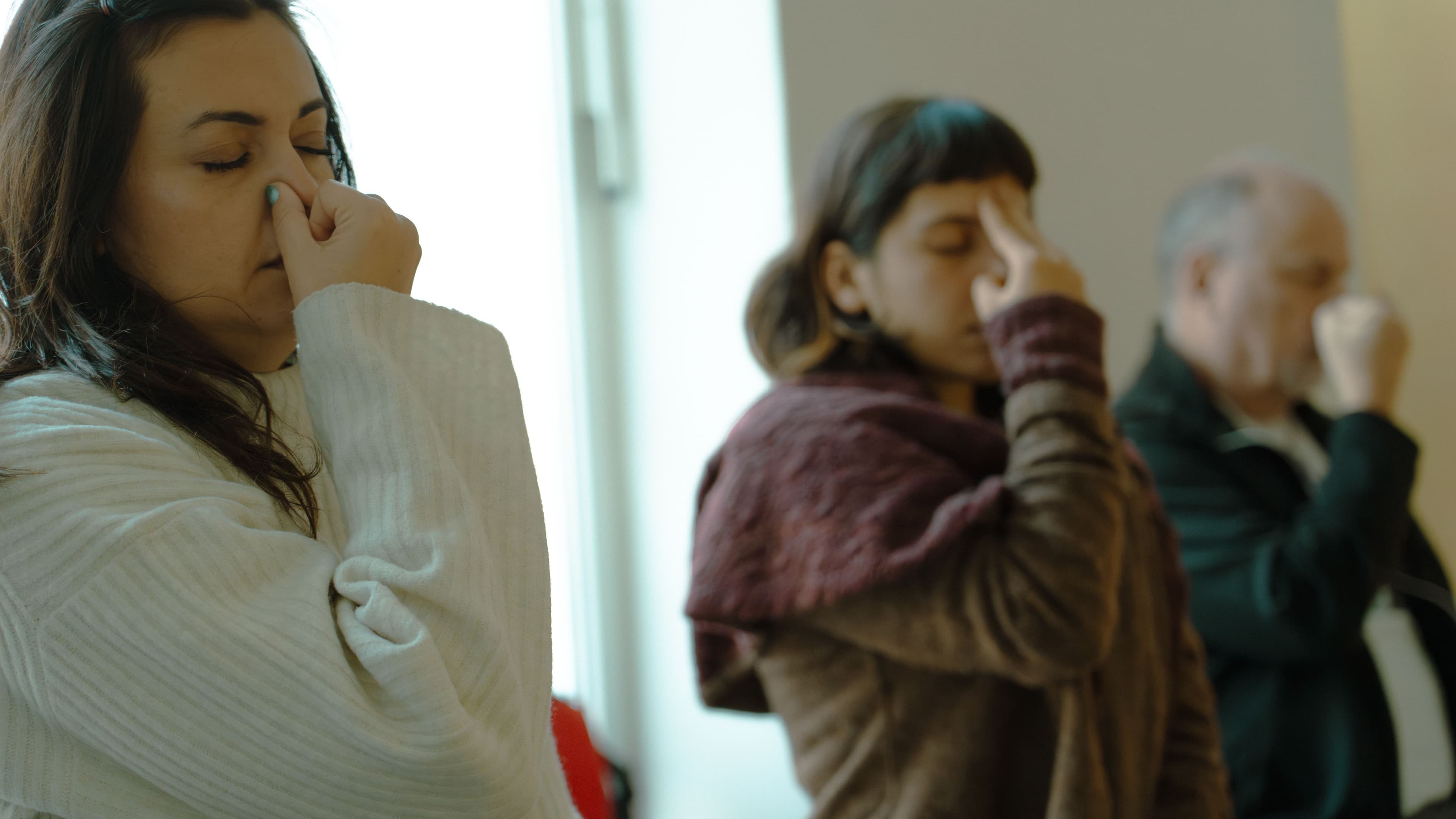
Pranayama is the classical yogic system of breath control, rooted in specific ratios and techniques passed down through yoga tradition. Breathwork is the broader modern umbrella term, borrowing from pranayama and other practices like holotropic and somatic breathing. In Berlin, you can start with a guided breathwork workshop or ease into pranayama through a regular yoga class — both are accessible without any prior experience.
You sit down, close your eyes, and someone tells you to just breathe. Simple enough — except you've been breathing your whole life, and somehow this feels different. Slower. Heavier. On purpose.
That's the moment most people in Berlin first bump into the words "pranayama" and "breathwork" — often used like they mean the same thing. They don't, quite. Knowing the difference won't change how good it feels to finally exhale properly, but it will help you pick the right class, workshop, or training when you're ready to go deeper.
Pranayama is the classical yogic system of breath control, rooted in specific ratios and techniques passed down through yoga tradition. Breathwork is the broader modern umbrella term, borrowing from pranayama and other practices like holotropic and somatic breathing. In Berlin, you can start with a guided breathwork workshop or ease into pranayama through a regular yoga class — both are accessible without any prior experience.
Key statistics
- A 2023 meta-analysis found breathwork practices were linked to real improvements in stress and mental health outcomes.
- Research reviews link controlled breathing techniques to lower anxiety and better mood regulation.
- Studies show breathwork can measurably shift the nervous system from a stressed state toward a calmer one.
What exactly is pranayama?
Pranayama is the ancient yogic art of breath control. The word breaks down into "prana" (life force) and "ayama" (extension or control). It comes from classical yoga texts and follows specific techniques, ratios, and sequences refined over centuries.
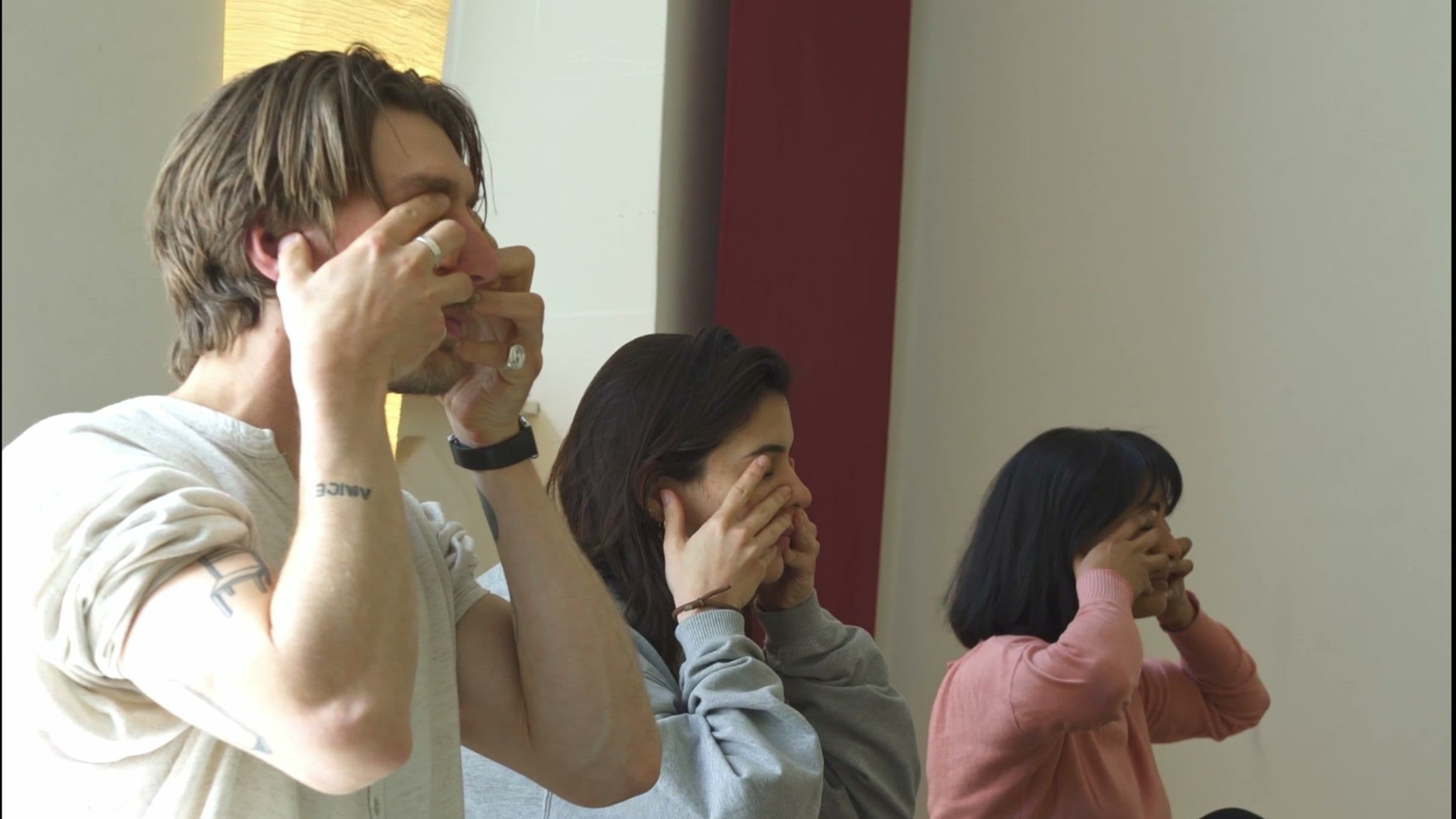
In a Berlin studio setting, pranayama often shows up woven into a Hatha Yoga or Vinyasa Flow class, right before or after the physical postures. It's structured, precise, and rooted in tradition — less about creativity, more about discipline and repetition. If you've ever counted your inhale to four and your exhale to eight in a yoga class, you've done pranayama.
Pranayama is the original, structured yogic system of breath control — precise, traditional, and rule-based.
What does "breathwork" actually mean?
Breathwork is the modern umbrella term. It includes pranayama, but also holotropic breathing, somatic breath practices, and other styles that developed outside the yoga tradition entirely. It's less about strict rules and more about using breath as a tool for shifting how you feel — physically and mentally.
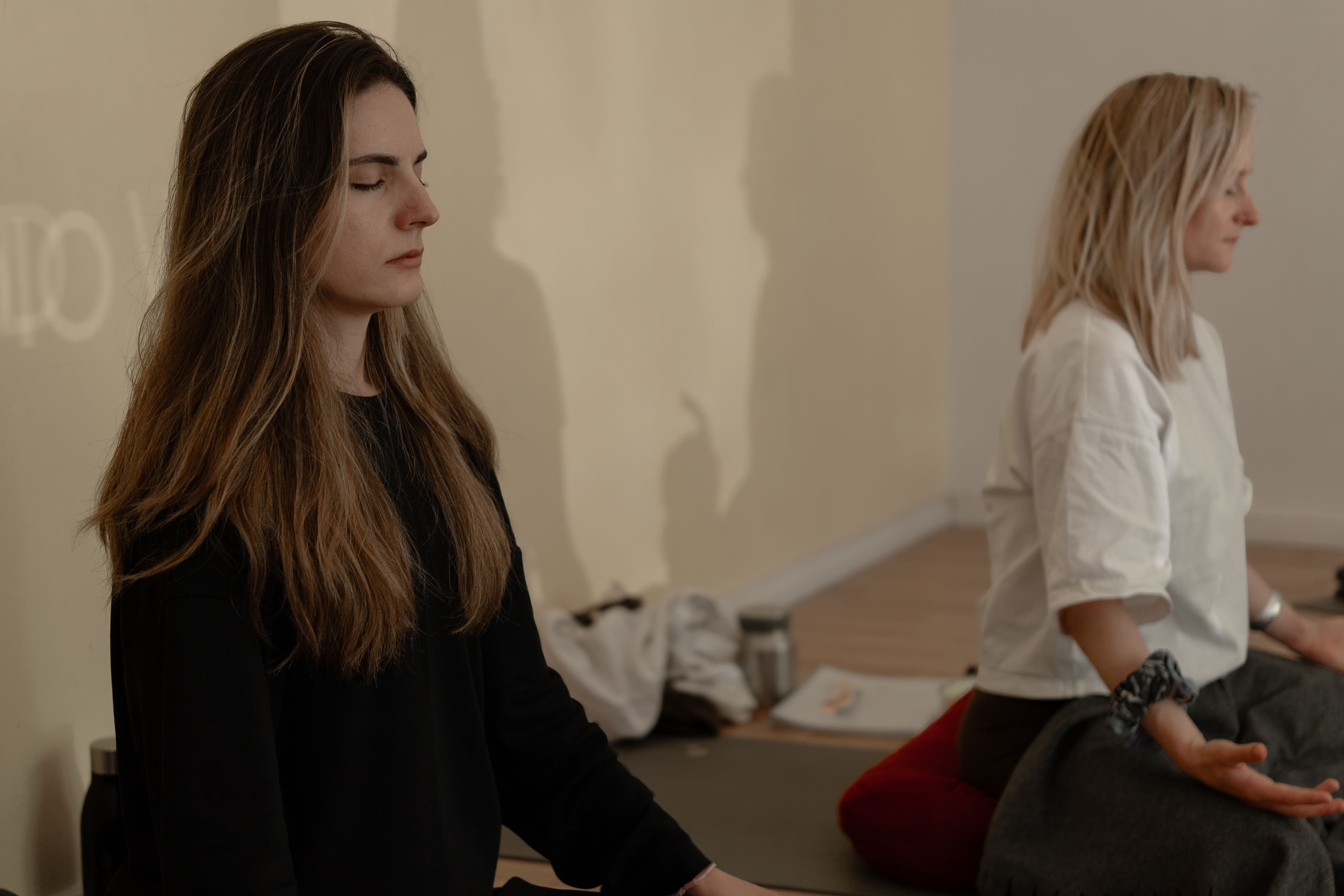
This is part of why breathwork has exploded in popularity recently. A 2023 meta-analysis found it linked to meaningful improvements in stress and mental health outcomes, and other research reviews echo similar findings around anxiety and mood. It's flexible enough to show up in a dedicated workshop, a sound healing session, or folded into movement classes like Somatic Movement.
If you want the fuller picture on how these breathing styles compare, our guide to breathwork in Berlin breaks down the classes, events, and training paths available across the city.
Breathwork is the broad, modern container — pranayama is one specific technique within it.
So which one should you actually try first?
Honestly, it depends on what pulls you in. If you're already coming to yoga classes and curious about the breathing cues your teacher gives, pranayama will feel like a natural next layer. It builds directly on what you're already doing on the mat.
If you're newer to all this — or you're after something that feels more like an experience than a lesson — a breathwork workshop is often the gentler entry point. You don't need any yoga background. You just show up, lie down, and let a guide walk you through it.
Our Breathwork & Longevity Workshop at the Prenzlauer Berg studio was built with exactly this kind of beginner in mind. No mat skills, no flexibility, no experience needed — just a willingness to breathe differently for an hour.
Already doing yoga? Start with pranayama. New to it all? A breathwork workshop is the friendlier front door.
What does the research actually say about breathwork?
The science is still developing, but it's genuinely promising. Research reviews suggest breathwork practices are associated with reduced anxiety and better mood regulation over time. Other studies point to shifts in the nervous system — from a stressed, activated state toward something calmer and steadier.
The Global Wellness Institute now tracks breathwork as one of the fastest-growing practices in the wellness world, backed by a growing base of research. Some newer studies are even examining breathwork alongside meditation as part of broader recovery-support programs.
None of this means breathwork replaces medical care — it doesn't, and we won't claim otherwise. But as a tool for feeling more grounded day to day, the evidence keeps building.
Research increasingly links breathwork to reduced stress and steadier mood, though it's a support tool, not a cure.
How do you actually go deeper, if you want to?
For some people, one workshop is enough of a taste. For others, it opens a door they want to walk through fully. If that's you, the next step usually isn't another single class — it's structured training.
Our Pranayama & Breathwork Teacher Training at the Prenzlauer Berg studio is designed for exactly this kind of curiosity. It takes you from casual practitioner toward someone who genuinely understands the mechanics, tradition, and teaching side of breathwork. If you've read our piece on starting a pranayama teacher training journey, you'll know this path suits people who want depth, not just a weekend experience.
And if breath naturally led you toward sound, our Sound Healing Training Berlin program explores a closely related sensory practice many students find pairs beautifully with breathwork.
When curiosity turns serious, structured teacher training is the natural next step beyond a single workshop.
What should first-timers actually expect walking in?
Nerves are normal. Most people picture something intense — dramatic emotional releases, heavy hyperventilating breathing. In reality, most beginner sessions are gentler than that, built to ease you in slowly.
Expect to lie down or sit comfortably, often with an eye mask or dim lighting. A teacher guides your breathing rhythm out loud, so you're never left guessing what to do next. Sessions typically run somewhere between 45 minutes and an hour, giving your body time to settle into the pattern.
If you're still deciding whether yoga or breathwork feels like the right entry point, our beginner's checklist for finding a yoga class in Berlin is a useful place to start narrowing things down.
First sessions are gentler than most people expect — guided, paced, and built for total beginners.
FAQ
Is breathwork the same as pranayama?
Not exactly. Pranayama is a specific yogic system with defined techniques and ratios. Breathwork is a wider modern term that includes pranayama plus other styles like holotropic and somatic breathing. Think of pranayama as one branch within the larger breathwork tree.
Do I need yoga experience to try breathwork in Berlin?
No. Most breathwork sessions, including our workshops, are built for beginners. You simply lie down or sit comfortably and follow a guided rhythm. No flexibility, mat skills, or yoga background required.
Where can I try breathwork in Berlin?
Yogicescape runs the Breathwork & Longevity Workshop at the Prenzlauer Berg studio, Naugarder Str 14. You can also explore breathwork woven into weekly Breathwork & Pranayama classes at either studio.
Can breathwork help with stress or anxiety?
Many people report feeling calmer after breathwork sessions. A 2023 meta-analysis found breathwork practices linked to improved stress and mental health outcomes. That said, no practice replaces medical or psychological care when it's needed.
What's the difference between a class and a teacher training?
Classes and workshops are for personal practice and exploration. If you want to teach others or deepen your own understanding significantly, our Pranayama & Breathwork Teacher Training offers a structured, in-depth path.
Is breathwork safe for everyone?
Breathwork is generally gentle, but some techniques involve intense breathing patterns. If you're pregnant, have a heart condition, or are unsure, speak with a teacher beforehand so they can guide you toward what suits you.
Sources
- Research - Breathworks Studio
- Science of Breathwork: How It Works + Top 14 Benefits | Othership
- Review and meta-analysis suggests breathwork may be effective for improving stress and mental health
- Scientific Findings on Breathwork — Simhasana
- Effects of Breathwork and Meditation on Addiction Recovery
- Breathwork - Global Wellness Institute
Explore traditional breathing techniques in practice
Want to explore the distinction through practice? In the Pranayama & Breathwork Online Training, Neha Pugalia guides you through traditional techniques and their background, with time for your questions live on Zoom.