

25 March 2024 · YogicEscape Berlin
Not in the mood for yoga? Here’s why you should give it a chance.
We've all been there – those days when the thought of rolling out your yoga mat and stepping onto your mat feels like the last thing you want to do. Maybe you're tired, stressed, or just not in the mood. But before you write off your yoga practice altogether, take a moment to read this. In this blog post, we'll explore some common reasons why you might be feeling resistant to going to yoga and why it's worth pushing through those feelings.1. You're Feeling Tired or Low on Energy: It's normal to
The days you least want to practice are usually the days yoga helps most: fatigue, stress and low motivation all respond to gentle movement and slow breathing rather than being worsened by them. The research backs this up — a single 60-minute yoga session has been shown to increase GABA, the brain's main calming neurotransmitter, by 27%. Showing up doesn't require feeling motivated; it just requires showing up.
We've all been there – those days when the thought of rolling out your yoga mat and stepping onto your mat feels like the last thing you want to do. Maybe you're tired, stressed, or just not in the mood. But before you write off your yoga practice altogether, take a moment to read this. In this blog post, we'll explore some common reasons why you might be feeling resistant to going to yoga and why it's worth pushing through those feelings.

- You're Feeling Tired or Low on Energy: It's normal to feel tired from time to time, especially with the demands of modern life. However, it's precisely during these moments of fatigue that yoga can be most beneficial. Instead of draining your energy further, a gentle yoga practice can help replenish your energy stores and leave you feeling refreshed and revitalized.
- You're Stressed or Overwhelmed: When stress levels are high, the last thing you might feel like doing is slowing down and tuning into your breath. However, yoga offers powerful tools for managing stress and finding moments of calm amidst the chaos. By practicing mindfulness and focusing on your breath, you can begin to unwind and release tension from both your body and mind.

- You're Not in the Mood: Some days, the thought of doing anything – let alone yoga – can feel overwhelming. However, it's important to remember that yoga is a practice of self-care and self-compassion. It's okay to not always feel motivated or inspired. By showing up on your mat, even when you don't feel like it, you're cultivating resilience and commitment to your well-being.
- You're Worried About Being Judged: It's natural to feel self-conscious, especially if you're new to yoga or attending a class with experienced practitioners. However, it's important to remember that yoga is a personal practice, and everyone's journey looks different. Instead of focusing on what others might think, focus on your own experience and how the practice makes you feel.
- You're Not Sure You'll Like It: Trying something new can be intimidating, especially if you're unsure whether you'll enjoy it or not. However, yoga offers a wide variety of styles and approaches, so there's likely something out there that will resonate with you. Don't be afraid to experiment with different classes and teachers until you find what feels right for you.

Conclusion: The next time you're feeling resistant to going to yoga, take a moment to pause and reflect on why you might be feeling that way. Remember that yoga is not about perfection or pushing yourself beyond your limits – it's about showing up as you are and meeting yourself with kindness and compassion. By pushing through resistance and making it to your mat, you're taking an important step towards nurturing your physical, mental, and emotional well-being. So go
ahead, roll out your mat, and see what magic unfolds when you give yourself the gift of yoga.
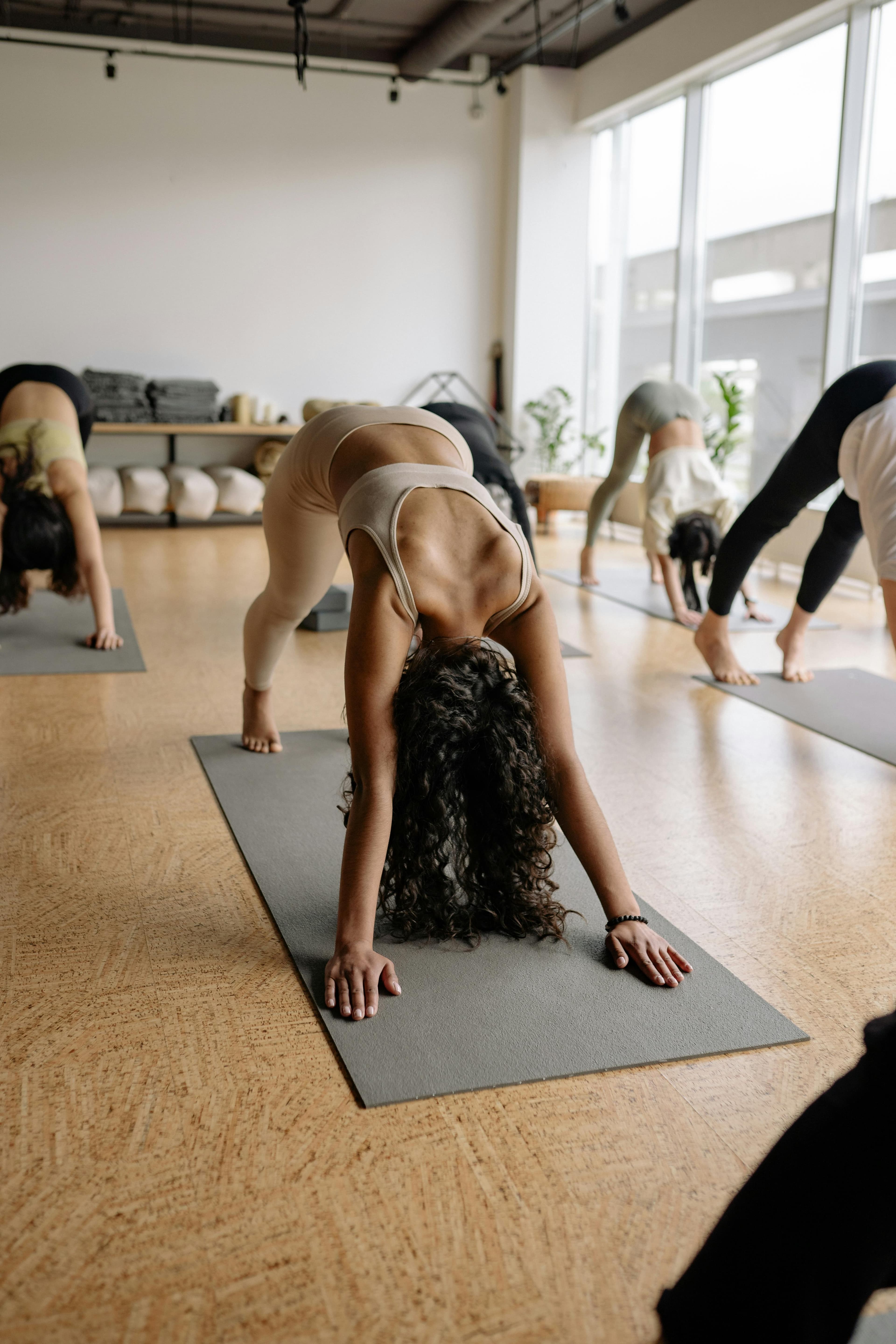
What the Research Says
Researchers at Boston University School of Medicine (Streeter et al.) measured a 27% increase in GABA — the brain's main calming neurotransmitter — after a single 60-minute yoga session.
A 2017 meta-analysis in Psychoneuroendocrinology (Pascoe et al.) found that yoga practice measurably lowers physiological stress markers, including cortisol, blood pressure and resting heart rate.
FAQ: Yoga Motivation
Should I do yoga when I'm tired?
Yes — a gentle practice replenishes energy rather than draining it. Choose a slow, quiet style on those days instead of a demanding one.
What if I'm too stressed to slow down?
That's exactly when the breath becomes your tool: mindfulness and conscious breathing release tension from body and mind in the middle of the chaos, not after it.
Is it normal to worry about being judged in a yoga class?
Completely, especially at the start. Yoga is a personal practice and every path looks different — focus on how the practice feels to you, not on what others might think.
What if I try yoga and don't like it?
There are many styles and approaches. Experiment with different classes and teachers until something clicks — often it's the style that's wrong, not the yoga.
Often it’s the style that doesn’t fit, not the yoga — try a few of our yoga classes in Berlin and see.