

7 November 2023 · YogicEscape Berlin
Sound Healing and Modern Medicine: Integrating Sound Therapy into Healthcare
In today's fast-evolving world, the realms of ancient wisdom and modern medicine are beginning to intersect in profound ways. Sound healing, a practice rooted in centuries-old traditions, is now finding its place in the world of healthcare. This blog explores the integration of sound therapy into modern medicine, highlighting its potential benefits and promising future.The Resurgence of Sound HealingSound healing, also known as sound therapy or vibrational medicine, is a holistic practice that e
Sound therapy is steadily finding its way into clinical settings: pain clinics use it alongside conventional treatment to reduce reliance on medication, hospitals offer it in palliative care, and mental-health programs integrate it for stress reduction. The overlap with medicine is less surprising than it sounds — ultrasound already uses sound waves diagnostically and therapeutically, and research by Goldsby et al. (2017) found that a single Tibetan singing-bowl meditation significantly reduced tension, anxiety and depressed mood.
In today's fast-evolving world, the realms of ancient wisdom and modern medicine are beginning to intersect in profound ways. Sound healing, a practice rooted in centuries-old traditions, is now finding its place in the world of healthcare. This blog explores the integration of sound therapy into modern medicine, highlighting its potential benefits and promising future.
The Resurgence of Sound Healing
Sound healing, also known as sound therapy or vibrational medicine, is a holistic practice that employs the frequencies and vibrations of sound to promote physical, emotional, and spiritual well-being. While it may have ancient roots, the resurgence of sound healing's popularity is due, in part, to its potential integration into modern medicine.
The Science Behind Sound Healing and Modern Medicine
Resonance and Healing: At the heart of sound healing is resonance – the ability of one vibrating object to cause another object to vibrate at the same frequency. This principle is essential in modern medicine as well, as it is employed in technologies like ultrasound, which uses sound waves to visualize and heal internal tissues.

Stress Reduction: Stress is a leading contributor to many health issues. Sound healing, through its calming effects and cortisol reduction, complements modern medicine's approach to stress management.
Pain Management: The release of endorphins through sound healing can help in managing pain, a core concern in modern medicine.
Sound Healing in Modern Healthcare
Sound therapy is finding its place in various healthcare settings. Here's how it's being integrated:
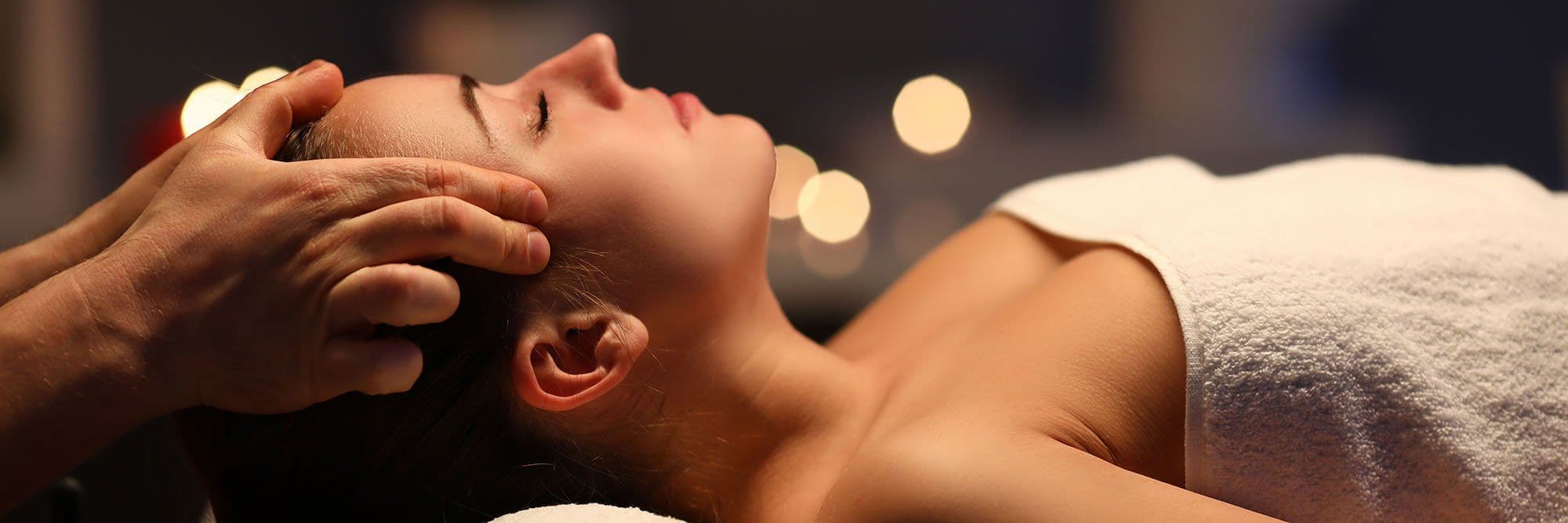
Pain Clinics: Sound therapy is used to alleviate pain in patients suffering from chronic pain conditions. It's often used alongside other pain management techniques, reducing the reliance on pain medications.
Hospitals and Palliative Care: In healthcare environments, sound healing is employed to ease the suffering of patients in palliative care. It offers a sense of comfort and tranquility during challenging times.
Stress Reduction in Mental Health: Modern medicine recognizes the link between stress and mental health issues. Sound healing is increasingly integrated into mental health treatment plans to reduce stress and promote emotional well-being.
Future Directions and Promising Research
As the integration of sound healing into modern medicine gains momentum, there is a growing body of research supporting its effectiveness. Some areas of potential promise include:

Surgical Recovery: Studies are exploring the use of sound therapy to improve post-operative recovery, reducing stress and pain perception.
Pain Management in Cancer Care: Sound therapy is being investigated as a complementary approach in cancer care to mitigate pain and improve the quality of life for patients.
Mental Health and PTSD: There is a growing interest in sound therapy's potential to aid individuals suffering from post-traumatic stress disorder (PTSD) and other mental health conditions.
How to Access Sound Healing in Modern Healthcare
If you're interested in integrating sound therapy into your healthcare routine, consider the following steps:
Consult with a Healthcare Provider: Talk to your healthcare provider about incorporating sound healing into your treatment plan. They can provide guidance on finding qualified sound therapists.
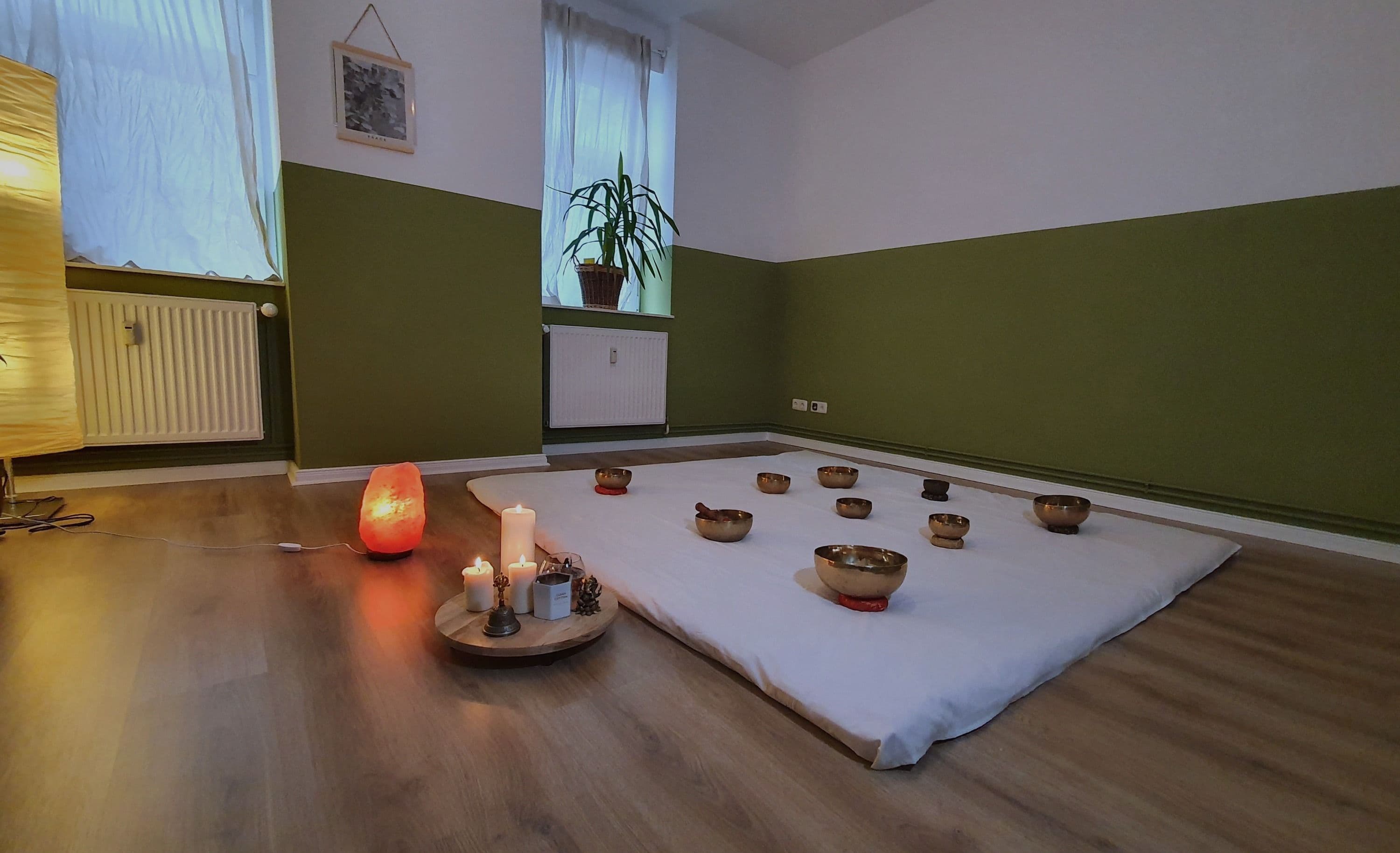
Visit Sound Therapy Centers: Explore sound therapy centers or clinics that offer sound healing sessions under the supervision of trained practitioners.
Self-Care Practices: You can also practice sound healing on your own by using instruments like singing bowls, tuning forks, or through guided sound meditation, which can be found online.
In Conclusion
Sound healing's integration into modern medicine represents a bridge between ancient wisdom and contemporary healthcare practices. As the scientific evidence supporting its efficacy continues to grow, it offers new opportunities for enhancing wellness, reducing stress, and managing pain. By embracing sound therapy as a complementary approach to modern medicine, individuals can experience a holistic and harmonious approach to their well-being, cultivating health and balance from within. Visit our studio and get a sound healing session today. Book here
What the Research Says
Research in the Journal of Evidence-Based Complementary & Alternative Medicine (Goldsby et al., 2017) found that a single Tibetan singing-bowl meditation significantly reduced tension, anxiety and depressed mood — with the strongest effect in people who had never tried it before.
FAQ: Sound Therapy in Healthcare
How is sound therapy used in hospitals and clinics?
Pain clinics use it as a complement to reduce reliance on pain medication, hospitals employ it in palliative care to offer comfort, and mental-health treatment plans increasingly include it for stress reduction. It always works alongside conventional treatment, not instead of it.
Can sound healing help with pain management?
Sound therapy supports pain management by promoting deep relaxation and the release of endorphins, the body's own pain-modulating chemicals. In chronic-pain settings it is used together with other techniques rather than as a standalone treatment.
Is sound therapy scientifically recognized?
Its core principle — resonance — is already central to medical technology such as ultrasound, and researchers are currently studying sound therapy for stress reduction, post-operative recovery and supportive cancer care. The evidence is promising but still developing, which is why it is classed as a complementary approach.
How can I try sound therapy myself?
Talk to your healthcare provider if you want to combine it with ongoing treatment, book a session with a trained practitioner — studios like Yogicescape in Berlin offer sound healing sessions — or start at home with singing bowls, tuning forks or guided sound meditations.