
8 August 2023 · YogicEscape Berlin
Ancient Wisdom or Modern Hype? Unveiling the Truth Behind the Magic of Sound Healing
Unveil the mystique of sound healing—ancient roots meet modern revival. Discover its potential benefits and how it complements wellness. Experience the harmony today! (Meta description: "Explore the world of sound healing—ancient wisdom meets modern wellness. Discover its potential benefits and complement your wellness journey. Book a sound healing class now!")
Sound healing is neither pure magic nor pure hype. In a session, a trained practitioner works with singing bowls, gongs, tuning forks or the voice, and many people reliably reach deep relaxation — a 2017 study found that even a single singing-bowl meditation significantly reduced tension, anxiety and depressed mood. It is not a cure-all: it works best as a complement to conventional care, and the placebo effect likely plays a part.
In recent times, many people are talking about sound healing as a way to feel better.
It draws inspiration from ancient traditions and claims to reduce stress and make us feel good.
But is sound healing really effective, or is it just a passing trend? Let's explore the world of sound healing to find out.
The Ancient Roots of Sound Healing:
Sound healing is not new; it comes from ancient civilizations all around the world. Long ago, people in India, China, and Egypt believed that sound could make their body and mind feel better.
They used chanting, singing bowls, drums, and other musical instruments to connect with their inner self and get healed.
The Modern Revival:
In recent times, more and more people are interested in holistic healing methods, and sound healing is becoming popular in the wellness industry. It says that certain sounds can affect the energy inside and around us, helping us feel better physically and emotionally. We believe that the musical sounds from different instruments can rebalance our body's natural energy and bring harmony, making us less stressed.
Understanding Sound Therapy:
Now let’s understand sound therapy. Sound healing works on the principle that everything in the universe is in a constant state of vibration, including our bodies.
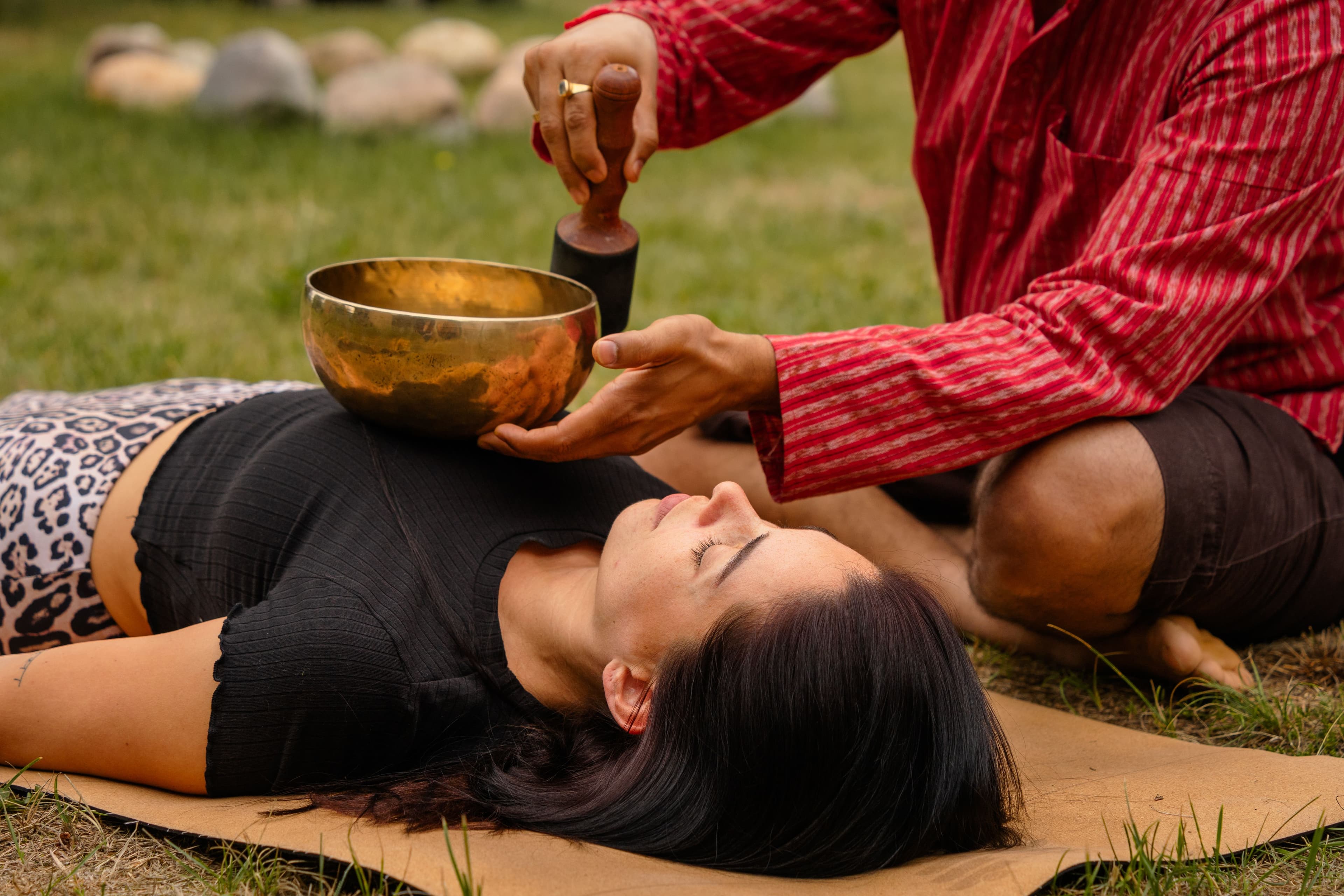
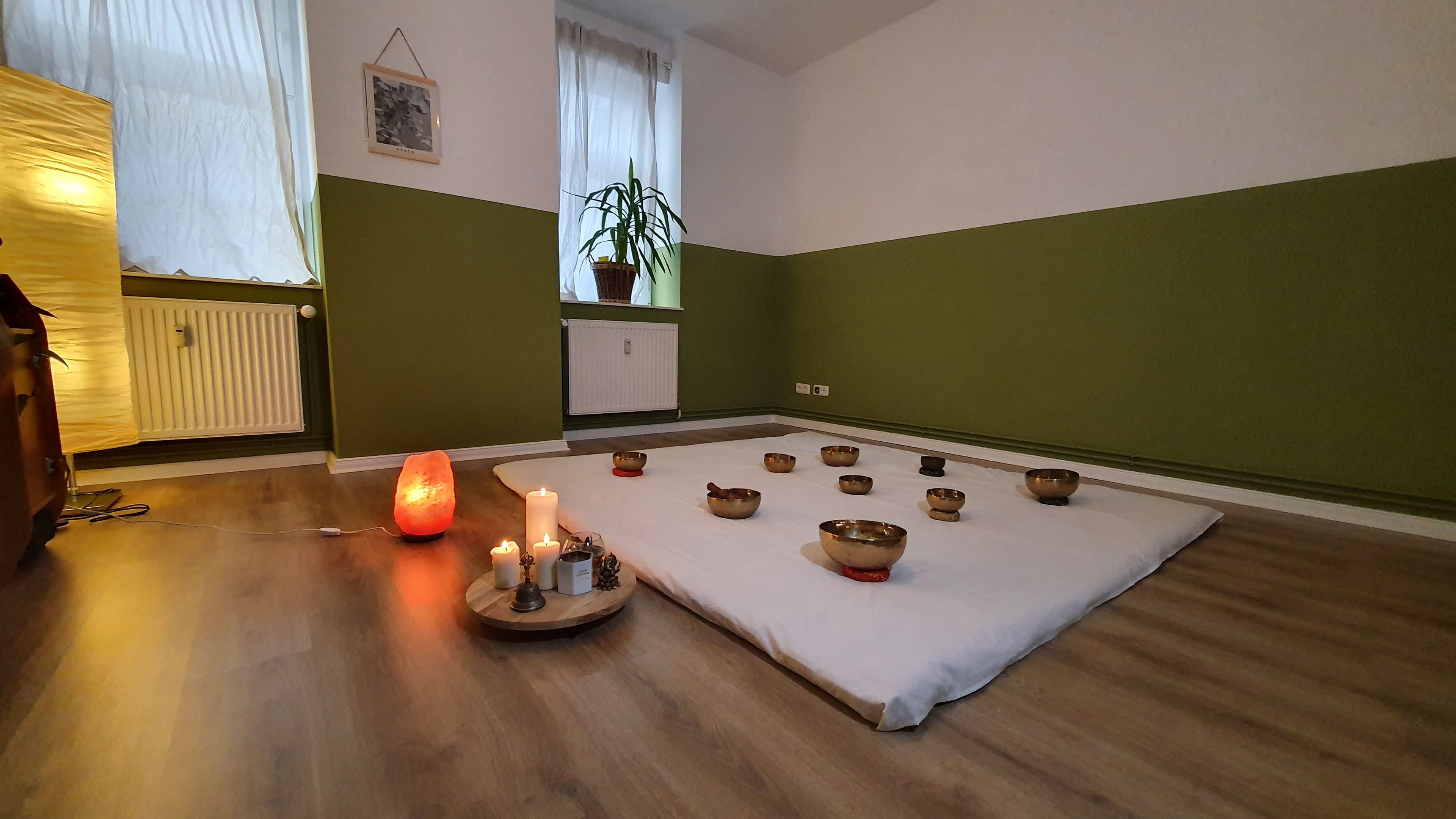
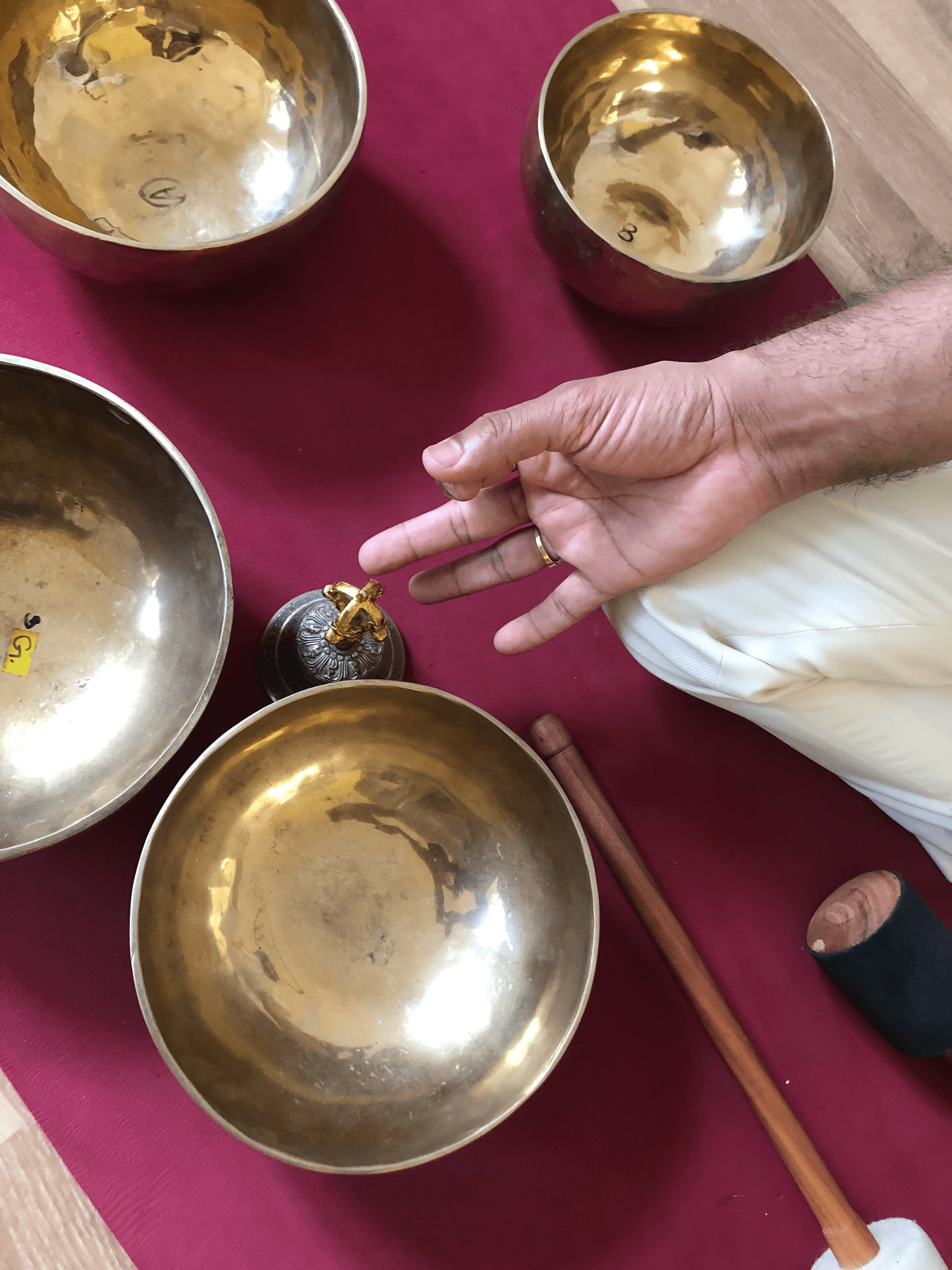
When exposed to specific sounds or frequencies, the body can respond positively, bringing about relaxation and reducing tension. Sound therapy sessions often involve a trained practitioner using various instruments like singing bowls, gongs, tuning forks, or even human vocal tones.
What Science Says:
Some people might not believe in the ancient beliefs about sound healing, but even science is cautious about it. While sound healing might not be a cure-all, it can be a valuable complementary therapy to conventional medicine.
Many individuals report feeling relaxed and more centered after sound healing sessions, which can positively impact their overall well-being. Incorporating sound healing into an overall wellness routine can be a healthy way to manage stress and promote self-care.
The Placebo Effect:
It is crucial to consider the role of the placebo effect in sound healing experiences. The power of belief can influence one's perception of well-being, making it challenging to isolate the actual effects of sound from the placebo response. People who believe in the healing potential of sound may experience positive outcomes simply due to their expectations.
If you're curious about sound healing and its potential benefits, why not give it a try? While some may remain skeptical, many have experienced positive results.
Exploring ancient wisdom or modern trends can be a fascinating journey to find what resonates with you. Click here to book your first sound healing class with us.
What the Research Says
Research in the Journal of Evidence-Based Complementary & Alternative Medicine (Goldsby et al., 2017) found that a single Tibetan singing-bowl meditation significantly reduced tension, anxiety and depressed mood — with the strongest effect in people who had never tried it before.
FAQ: Sound Healing
Does sound healing actually work?
As a relaxation practice, yes: many people report feeling calmer and more centered after a session, and early research supports measurable effects on tension and mood. It is not a replacement for medical treatment — it works best as a complementary practice.
Which instruments are used in sound healing?
Singing bowls, gongs and tuning forks, sometimes also the human voice. The instruments produce vibrations and frequencies the body can respond to with relaxation.
What happens in a sound healing session?
A trained practitioner plays the instruments while you rest and let the sound wash over you. The aim is to release tension — most people leave feeling relaxed and more centered.
Is sound healing just a placebo effect?
Belief certainly plays a role and is hard to separate from the sound itself. But measurable reductions in tension and anxiety have been documented — the honest answer: a valuable complementary practice, not a miracle cure.